Last updated: October 20, 2026
Quick answer: To build a personal health record after 60, start with one current summary page and one home for the file, then add only the documents and details that matter for urgent and ongoing care.
A personal health record after 60 is a single, organized file that holds the health details you and your family need fast: medicines, test results, immunization history, allergies, advance directive papers, and emergency contacts. In the article How to Build a Personal Health Record After 60: What to Keep and How to Organize It, the goal is a record you can actually use when time is short.
In short: gather the right documents first, decide on one home for everything, and keep a short master list on top so a doctor, spouse, adult child, or emergency clinician can find the important details in under a minute.
A messy stack of lab slips and old discharge papers is not a record. A usable personal health record is a system. It should answer five questions quickly: What conditions do I have? What do I take? What changed recently? Who should be called? What should happen if I cannot speak for myself?
What a personal health record should hold after 60
A useful personal health record after 60 holds the few documents and details that affect daily care, urgent care, and family decisions. Start with the basics: a current medication list, a list of allergies or bad reactions, recent test results, vaccination record, a problem list of diagnoses, names and phone numbers for your clinicians, and any advance directive or health care proxy paperwork. If you are unsure what belongs in your own file, ask a clinician, pharmacist, or other professional to help you choose the right items.
Keep the record practical, not encyclopedic. You do not need every bill from 2009 or every paper from a routine visit if it adds clutter. You do need the items a new doctor, a hospital triage nurse, or a family member would ask for within the first 10 minutes. That usually includes the name and dose of each prescription, the date of your last tetanus or flu shot if you know it, and copies of major test reports such as blood work, imaging, or pathology summaries.
A good rule is to keep one “front page” that fits on 1 to 2 sheets of paper. That front page should point to the rest of the file. If the front page gets crowded, the system is too complicated.
This is not the right system if you are trying to archive every old record for legal or sentimental reasons. It is designed for access, not storage. If you want a lifelong archive, make that a separate box or digital folder and keep the working record slim.
For a broader planning frame, this record belongs alongside the rest of medical planning after 60. The health record is the folder you can actually use when time is short.
How do I build a personal health record step by step?

Build it by collecting one category at a time, then putting a short summary in front so the record can be used in an emergency.
-
Pick one home for the record. Use a 3-ring binder, a manila folder with tabs, or a secure digital folder with subfolders; if you are unsure which format fits your situation, consult a clinician, pharmacist, or other professional for a practical setup. A binder works well if you want paper you can hand over quickly; a digital folder works well if family needs remote access. When this step works, you know exactly where new papers go and you are not searching three different drawers.
-
Make a master summary page on 1 sheet. List your full name, date of birth, main diagnoses, allergies, current medicines, key surgeries, doctors, and emergency contacts; if you are unsure what to include, ask a clinician or other professional to review the page with you. Leave room for updates. When it works, a stranger can understand the outline of your health in under a minute.
-
Add your medication list next. Write each drug name, dose, how often you take it, and why you take it. Include over-the-counter medicines, vitamins, eye drops, inhalers, and patches. A pharmacy printout can help, but edit it so it reflects what you truly take today. When it works, there is no guessing about whether a pill was stopped months ago.
-
File recent test results and major reports. Keep the latest CBC, chemistry panel, A1c, lipid panel, imaging reports, pathology reports, and discharge summaries if they matter to your care. Put the newest on top or in the first digital folder. When this step works, the last important result is easy to find without opening a dozen pages.
-
Add vaccination history and allergies. List what vaccine you had, the date if known, and any reaction that mattered. For allergies, write the substance and the reaction, such as rash, hives, swelling, or stomach upset. When it works, the page helps prevent a mistake during urgent care.
-
Put legal and emergency papers behind the medical pages. Include your advance directive, health care proxy, durable power of attorney for health care, and a copy of your emergency contact list. If you carry a wallet card, put the same contact information there. When it works, family and clinicians know who can speak for you and what decisions you want honored.
-
Review and trim it every 3 to 6 months. Remove old duplicates, replace expired information, and mark dates on each update. When it works, the file stays current instead of becoming a paper graveyard.
The fastest version of this system can sometimes be built in about 1 hour if your papers are already in one place. If you are starting from scattered drawers, expect the first pass to take longer.
Which papers and details matter most?
The most useful papers are the ones that change care today, not the ones that are merely interesting to keep. That usually means five groups: medicines, diagnoses, test results, vaccines, and decision documents. If you want help narrowing the stack, a clinician or other professional can tell you what matters most for your situation.
Start with the medication list. This is the page that saves the most time because medicine errors are common when lists are outdated. Write both prescription and nonprescription items. If you take a blood thinner, insulin, a steroid inhaler, or a medication for blood pressure, make that easy to spot. Add the prescriber name if you have it.
Next, keep a short problem list. If you have diabetes, atrial fibrillation, heart failure, osteoporosis, chronic kidney disease, or a history of stroke, note it plainly. A problem list is not the same as a full chart. It is a one-page snapshot of what matters for ongoing care.
Then keep selected test results. A generic article often says to save “all results,” but that creates clutter. The better approach is to keep the latest or most important report in each category. For a routine chronic condition, one recent result may be enough. For something that is being watched or changed, keep the last several so trends are visible. Imaging reports and pathology reports belong here because they often carry the final interpretation, not just raw numbers.
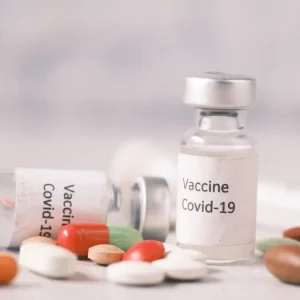
Vaccination history matters more than many people expect. Keep whatever record you have for flu, COVID-19, shingles, pneumococcal, tetanus, and any travel vaccines that affect future care. If you do not know an exact date, write “approximate” rather than guessing. That honesty is better than a polished but wrong record.
Finally, keep your advance directive or health care proxy in the same place as the medical summary, not in a separate drawer. If one document says one thing and another says something different, confusion follows. If you are unsure whether your forms match your current wishes, ask a clinician or attorney to review them.
How should I organize paper and digital records so they are easy to use?
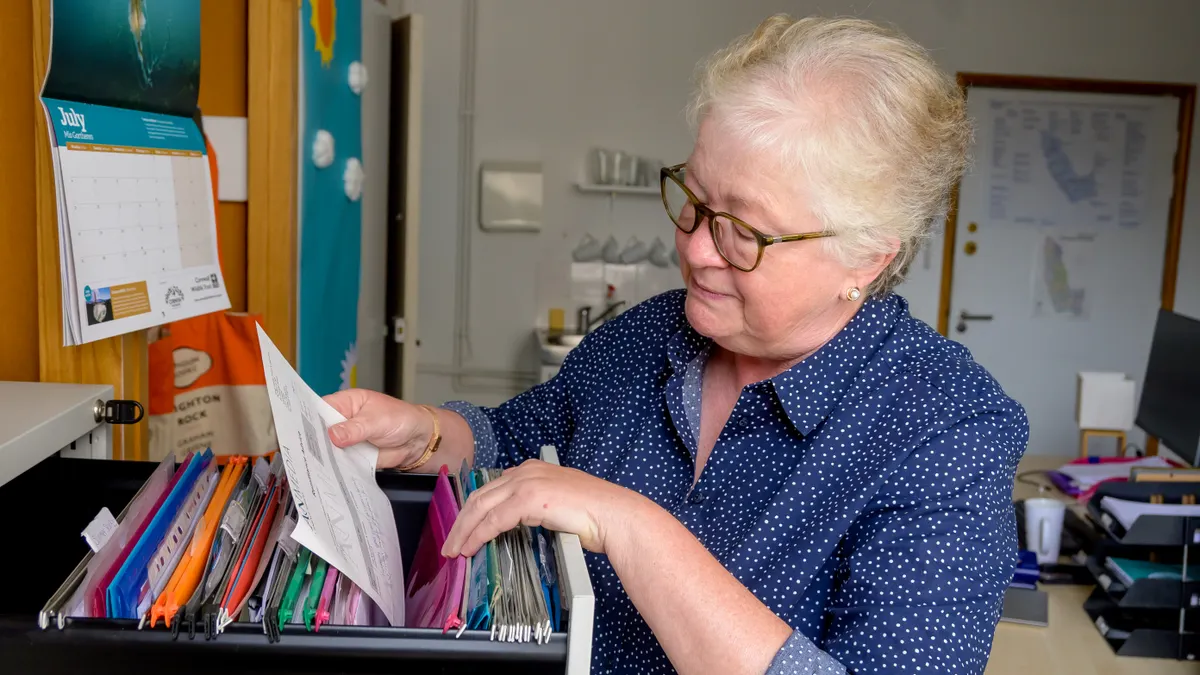
Organize them so the first page answers the first question and the next tab answers the next one.
For paper, use a 1-inch or 1.5-inch binder with divider tabs labeled: Summary, Medications, Diagnoses, Test Results, Vaccinations, Doctors, and Legal Documents; if you are unsure which size or tab order best fits your records, ask a clinician, pharmacist, or other professional for advice. A clear plastic pocket in front can hold the master summary and emergency contact list. Use a pen with dark ink and date every update. The advantage of paper is speed in a clinic room or emergency room. The drawback is that paper can be lost, soaked, or left at home.
For digital records, use folders with plain names such as “Health Record,” then subfolders for each category. Scan documents as PDF files, not photos when possible, because PDFs are easier to read and print. Name files with the date first, then the document type, such as 2026-04-10-lab-results.pdf. That makes the newest file appear first in most file systems. If you use cloud storage, turn on a password and two-step verification.
A hybrid system often works best after 60: keep a paper binder at home and a digital copy for backup. That gives you a handoff version for a doctor visit and a remote version for family support. The cost is duplication, so the rule has to be strict: if a paper page changes, the digital copy gets updated the same week.
Avoid stuffing the binder with raw statements and every page from every visit. That creates a heavy file nobody wants to sort through. Keep old paperwork in a separate archive box if you want it, but keep the working record lean.
One more practical detail: put your contact list on the first page and in your wallet. If you carry a phone, save the same names there as “ICE” contacts. That duplication can matter in a fall, a blackout, or a hospital admission.
What mistakes make a health record useless?
The most common mistake is leaving it out of date, because an old record can mislead as badly as no record at all.
A second mistake is copying every document without choosing a summary. That feels thorough, but it slows people down. A nurse or family member should not have to search through 200 pages to find the current blood pressure medicine. Keep the best current information on top and archive the rest separately.
A third mistake is writing vague notes such as “allergy to pain meds” or “takes a little white pill.” Vague notes force someone to guess. Use exact names when you know them, and write the reaction if there was one. “Ibuprofen — stomach bleeding” is more useful than “NSAIDs — bad.”
A fourth mistake is separating the legal papers from the medical papers. An advance directive in one folder and a medication list in another folder may be fine for storage, but it is bad for a crisis. Put them together in the working record.
A fifth mistake is making the file so private that no trusted person can reach it. If only you know the password and no one knows where the binder is, the system fails when you are ill. Choose at least one trusted family member or agent and tell that person where the record is kept.
This is also where honesty matters. If your memory is fuzzy, say so, leave the field blank, and confirm it later with a clinician or pharmacist if needed. A blank line is safer than a wrong date.
How often should I update and share it?
Update it after any medication change, hospital stay, new diagnosis, surgery, vaccine, or major test result, and do a full review every 3 to 6 months.
That schedule keeps the record useful without turning it into a chore. If you start a new blood pressure medicine on Tuesday, the list should be corrected the same week. If a doctor stops a drug, cross it out or move it to an “old medicines” page with the stop date. If you were in the hospital, add the discharge summary and new follow-up instructions before the papers get lost.
Share the right parts with the right people. Your primary care clinician, specialists, spouse or partner, adult child, and health care proxy do not all need the same level of detail. A doctor may need the full medication list and recent reports. A family member may need the summary page, emergency contacts, allergies, and advance directive. That keeps the file useful without spreading unnecessary private information.
If you use a portal from a health system, treat it as a source of copies, not the whole record. Portal data can be helpful, but it may not include everything from outside care, urgent care, or a recent move between systems. Keep your own summary as the bridge between those gaps.
For most people, the best habit is a 10-minute review at the start of each month. That is enough to catch a new prescription, an outdated phone number, or a missing test result before it becomes a problem. If the file takes an hour every month, the system is too complicated and should be simplified.
What should go in an emergency version?
Your emergency version should fit on one page and carry the details someone needs before they can reach your full file.
Put your name, date of birth, allergies, current medicines, major conditions, emergency contacts, primary clinician, and advance directive status on that page. If you have a pacemaker, insulin pump, oxygen use, or a blood thinner, make that obvious. If you take a medication that must not be stopped suddenly, note that too. Keep the page in your wallet, on the fridge, and at the front of the binder if you use paper.
A fridge card can help when emergency personnel or family need fast access. So can a simple wallet card. The point is not to store everything in three places. The point is to make the essential facts easy to reach from more than one angle.
Do not put original legal papers in the wallet. Use copies. Keep the signed originals in a safer place at home, such as a fire-resistant document box or a locked file drawer. If you have a digital copy, make sure at least one trusted person knows how to open it.
For many families, this emergency page is the piece they end up using first. That makes it the most important page to keep short, current, and readable.
Key Takeaways
- A personal health record after 60 works best when it is small, current, and easy to hand over.
- The core set is a summary page, medication list, test results, vaccination history, emergency contacts, and advance directive papers.
- Paper is fast; digital is portable; a hybrid system gives you both.
- Outdated or vague information is worse than a slim record, so review it every 3 to 6 months.
- Keep the emergency version short enough that another person can read it in under a minute.
What should be included in a senior health record?
A senior health record should include a current medication list, allergies, diagnoses, recent test results, vaccination history, emergency contacts, clinician names, and any advance directive or health care proxy forms. It should also include a short summary page that makes the important information easy to find quickly.
How do I store medical records safely?
Store medical records in a binder, locked drawer, fire-resistant box, or password-protected digital folder with two-step verification. Keep paper and digital copies if possible. Put the most important page first, and tell at least one trusted person where the record is kept.
Drafted with AI; not yet reviewed by a person.