Last updated: October 24, 2026
In short: use a medication review checklist to gather every prescription medication, over-the-counter medicine, and supplement in one place, then check for duplicates, interaction risks, and outdated prescriptions before you refill anything. A practical medication review after 60 starts with one complete list, comparing that list against the labels, and bringing questions to a pharmacist or primary care physician. For a broader safety framework, the U.S. National Institute on Aging and MedlinePlus both recommend keeping an updated medicine list and reviewing it regularly.
A good medication review after 60 is not a deep dive into drug chemistry. It is a safety sweep for the process in How to Review Your Medications After 60: A Simple Safety Checklist. The goal is to catch the things that cause the most trouble in real life: two products that do the same job, a supplement that changes how a prescription works, a dose that no longer matches your current health, or a medicine you kept taking long after the original reason passed.
This matters because medication lists tend to grow over time. A pill added after a specialist visit can sit beside an old prescription that never got stopped. A cold medicine bought over the counter can contain the same active ingredient as another product already on the shelf. The point of the checklist is not to memorize every warning on the package insert. The point is to see the whole picture before the next refill.
Key takeaways
- Put every pill, capsule, patch, inhaler, eye drop, and cream in one inventory.
- Compare active ingredients, not just brand names.
- Watch for duplicate therapy, interaction risks, and medicines no longer needed.
- Use a pharmacist for quick screening and a primary care physician for final decisions.
- Bring the actual containers; a typed list alone misses details.
Start with one complete medication list
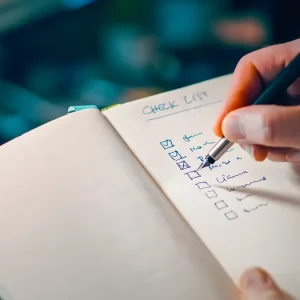
A complete medication list is the foundation of How to Review Your Medications After 60: A Simple Safety Checklist, and it should include every prescription medication, over-the-counter medicine, vitamin, mineral, and herbal supplement you take. Use one sheet of paper, a note app, or a printed list from your pharmacy, then add the details that matter: exact name, strength, dose, schedule, and why you take it.
Set aside 20 to 30 minutes and gather the bottles, boxes, inhalers, patches, and tubes from every room. Put them on a table where you can read the labels. For each item, copy the drug name exactly as it appears, including the active ingredient. A box labeled “allergy relief” can hide diphenhydramine. A sleep product can contain doxylamine. A calcium pill may also include vitamin D. The active ingredient is the part that matters for duplicate checks and interactions.
If you take a medicine only “as needed,” write the reason and the trigger. For example, a label or instructions may read “acetaminophen 500 mg, 1 tablet for headache, up to 3 times a day.” That kind of detail helps a pharmacist spot overlap with other products that also contain acetaminophen.
The list works when it answers three questions without guessing:
- What is it?
- How much do I take?
- Why am I taking it?
A list that works on paper but not in real life is not enough. If a medicine is kept in the bathroom cabinet, by the sink, or in a purse, include it. If you use a weekly pill organizer, check the original bottle so you do not lose the exact name or strength. Skipping this step is a practical risk, because hidden items stay hidden, and hidden items are where interaction problems often begin.
This is also where the difference between prescription medications and over-the-counter products matters. A review that only includes the prescriptions misses a large part of the safety picture, especially after 60 when many people use pain relievers, sleep aids, antacids, or allergy products without thinking of them as “medications.”
How do I check for drug interactions without turning this into a chemistry project?

Check interactions by comparing each medicine against the rest of the list, starting with the active ingredients and then asking a pharmacist to screen the full set. You do not need to become a drug encyclopedia; you need to find combinations that deserve a second look.
Begin with the obvious overlap test. Look for the same ingredient appearing twice under different names. A cough-and-cold product may repeat a pain reliever. Two prescriptions from different doctors may do the same job in the same drug class. That kind of duplication can raise side effects without adding benefit, so it is worth checking with a pharmacist or prescriber.
Next, scan for combinations that deserve extra caution after 60:
- A blood thinner plus an anti-inflammatory pain reliever
- A sedating antihistamine plus a sleep aid
- A blood pressure medicine plus a product that can raise blood pressure, such as some decongestants
- A supplement that can change how a prescription is absorbed or metabolized
If the labels are confusing, bring the actual bottles to the pharmacy. A pharmacist can check interaction databases and compare prescriptions, over-the-counter medicines, and supplements together. That is often faster and more useful than trying to sort it out alone. The American Geriatrics Society’s Beers Criteria is a well-known standard for medicines that can pose higher risk in older adults, and it is a useful backdrop when a drug seems questionable, but it does not replace a personal review. MedlinePlus and the FDA also provide consumer-level drug information that can help you confirm the basics.
The real limitation here is that interaction checkers can produce a long list of warnings, many of them minor. That is not a reason to ignore them; it is a reason to prioritize. Ask which interactions are likely to matter for your age, kidney function, fall risk, blood pressure, or memory. A medicine that seemed fine at 55 may no longer be the best fit after 72.
This step works when you leave with a short list of actual concerns, not a stack of scary printouts. If everything looks fine, that is useful too. It means the current mix has been checked by someone who knows how the pieces fit together.
Look for duplicate medications and outdated prescriptions
Duplicate medications and stale prescriptions are common cleanup targets, and they are the easiest problems to miss when a list has grown over several years. The goal is to find medicines that overlap in purpose, class, or ingredient, then ask whether all of them are still needed.
Start by grouping the list by purpose:
- Pain relief
- Sleep
- Allergy symptoms
- Blood pressure
- Cholesterol
- Diabetes
- Stomach acid
- Mood or nerves
Then compare within each group. Two pain medicines may be both appropriate, but they may also be two versions of the same drug or two products that should never be taken together. Two blood pressure pills may be deliberate combination therapy, or one may be a holdover from a hospital discharge that was never removed from the list.
Outdated prescriptions show up in a few ways. A medicine may still be refilled even though the condition it treated has resolved, but a clinician should confirm whether it is still needed before you stop it. A specialist may have started a replacement, but the earlier drug stayed active in the pharmacy system. A short-term medicine may have turned into a long-term habit simply because refills were easy. After 60, that matters because older adults are more likely to accumulate prescriptions from several clinicians over time.
A good review also checks for medicines that no longer match your current health. Kidney changes, liver changes, falls, memory problems, constipation, dizziness, and appetite loss can all change the risk-benefit balance. A medicine that made sense at 55 may not be the best choice at 72.
What this step costs if you skip it is not theoretical confusion; it can be side effects you do not need, and a clinician or pharmacist should help you confirm the safe next step. Duplicate therapy can cause excess sedation, bleeding, low blood pressure, constipation, or confusion depending on the drug. The fix is not to stop everything on your own. The fix is to mark the questionable items and ask the pharmacist or primary care physician which one should stay, which one should go, and whether the dose should change.
Use the pharmacy review before the next refill

A pharmacy review is the fastest way to catch problems before they become refill problems, and it is often the best first stop when the list has more than five or six items. Bring the medication containers, the written list, and any discharge papers or specialist instructions you still have.
Tell the pharmacist you want a safety review, not just a refill. That wording matters. It signals that you want interaction screening, duplicate checks, and a look at medicines that might be outdated. If you use one pharmacy for most of your prescriptions, that pharmacy may already see the full refill pattern, which makes it easier to spot overlapping prescriptions or early refills that hint at confusion.
A pharmacy review is especially useful for:
- New prescriptions added in the last 30 to 90 days
- Multiple prescribers
- Over-the-counter products taken daily
- Supplements that were never mentioned to the doctor
- Medicines that cause drowsiness, dizziness, or stomach upset
The pharmacist cannot always change your regimen directly, and that is the main limitation. Some decisions belong to the prescriber, especially when the medicine affects blood pressure, blood sugar, mental status, or blood thinning. But a pharmacist can often tell you which items deserve a call before you take the next dose.
Use the review to ask specific questions:
- Is this dose still the right strength?
- Does this overlap with anything else I take?
- Is there a safer way to treat the same symptom?
- Should this still be on my list after 6 months, 1 year, or longer?
The review works when you leave with clearer labels, fewer unknowns, and a short action list. If the pharmacist recommends a change that affects a prescription, the next step is to confirm it with the primary care physician or the prescribing specialist.
Bring the hard questions to your primary care physician
A primary care physician should make the final call on medicines that affect long-term treatment, especially when the review turns up side effects, duplicate therapy, or a drug that no longer fits your goals. The pharmacist helps identify the risk. The physician decides what to stop, switch, taper, or monitor.
Prepare for that conversation by separating your list into three groups:
- Keep as is.
- Needs review.
- I do not know why I still take this.
That last group is often the most valuable. If you cannot say why a medicine is still on the list, that is not a failure. It is a signal. Bring the container or printout and ask who started it, what problem it was meant to treat, and whether the original reason still exists.
This is also where side effects belong on the table. Write down what you have noticed in the last 30 days: dizziness, constipation, dry mouth, sleepiness, swelling, confusion, nausea, or trouble walking steadily. Those symptoms can be the clue that a medicine is too strong, unnecessary, or a poor fit with your current health.
The trade-off is time. A full medication cleanup can take more than one visit, especially if records come from different systems. That is normal. It is better to do a careful review in stages than to make a rushed change that creates a new problem.
This step is not for self-adjusting medicines on the spot. It is for coordinated decisions, especially when a taper is needed or when a medication change could affect blood pressure, mood, pain control, or blood sugar. If you use multiple specialists, ask the primary care physician to reconcile the full list so one medicine change does not collide with another.
Keep the checklist current after the first review
A medication review only stays useful if you update it every time something changes, and a 5-minute update is enough to prevent a lot of confusion. The easiest rule is to revise the list after any hospital stay, specialist visit, or pharmacy change.
Write the date on the top of the list each time you update it. Keep one copy at home and one copy in your wallet or phone. If you use a patient portal, upload the list there too, but do not rely on the portal alone; it may lag behind your actual use.
Make three routine habits:
- Review the list before every refill cycle.
- Add any new over-the-counter medicine the same day you buy it.
- Cross off stopped medicines immediately, not “later.”
A one-page list is ideal. If it grows to two pages, that is fine, but only if the information is clean and current. A cluttered list is harder to use than a shorter one that is accurate. This is especially important for people who rotate between a home pharmacy, a mail-order pharmacy, and a travel supply of medicines.
The point is not perfection. The point is to make sure the next clinician, pharmacist, or family member can see what you are actually taking in under 60 seconds. That is the standard that keeps the checklist useful.
This page supports the broader medical planning after 60 hub, but the job here is narrower: keep the medication list accurate enough that interactions, duplicates, and outdated prescriptions are easier to catch. That is the part most people need first.
How do seniors check for medication interactions?
Seniors check for medication interactions by comparing all prescriptions, over-the-counter medicines, and supplements together, then asking a pharmacist to screen the full list. The safest check uses the active ingredient names, not just brand names, because duplicates often hide in plain sight. A primary care physician should review any warning that might change long-term treatment.
What should be on a medication list?
A medication list should include the drug name, strength, dose, schedule, and reason for use for every prescription medication, over-the-counter medicine, vitamin, mineral, and herbal supplement. It should also include as-needed medicines, inhalers, patches, eye drops, creams, and any product used more than once a week. A dated list is easier to trust.
When should older adults ask for a medication review?
Older adults should ask for a medication review after any hospital stay, when a new prescription is added, when side effects appear, or at least when the list starts to feel hard to track. A review is also smart before refilling medicines that have been taken for months without a clear current reason.
Drafted with AI; not yet reviewed by a person.