Last updated: October 24, 2026
Quick Answer: most adults after 60 should ask about 4 vaccines first — shingles, flu, pneumococcal, and RSV — plus any catch-up or booster shots.
In short: What Vaccines Do Adults Need After 60? A Senior Immunization Guide usually focuses on four big vaccines after 60 — shingles, flu, pneumococcal, and RSV — plus any catch-up or booster shots your primary care physician says you still need.
Key Takeaways
- Four vaccines come up most often after 60: shingles, flu, pneumococcal, and RSV.
- Many seniors also need other boosters, based on records and medical history.
- The fastest way to know what you need is to compare your record with the adult schedule and have a clinician confirm it.
- Shingles vaccination is especially important for many adults over 60, even after past shingles.
If you are over 60, the question is not “Do I need every vaccine?” It is “Which shots protect me from the illnesses that are more likely to hit hard now?” That list changes by age, health history, and what you received earlier in life. The right plan is usually simple, but it is not one-size-fits-all. For What Vaccines Do Adults Need After 60? A Senior Immunization Guide, the answer starts with the shots most likely to prevent serious illness.
The four vaccines that matter most after 60
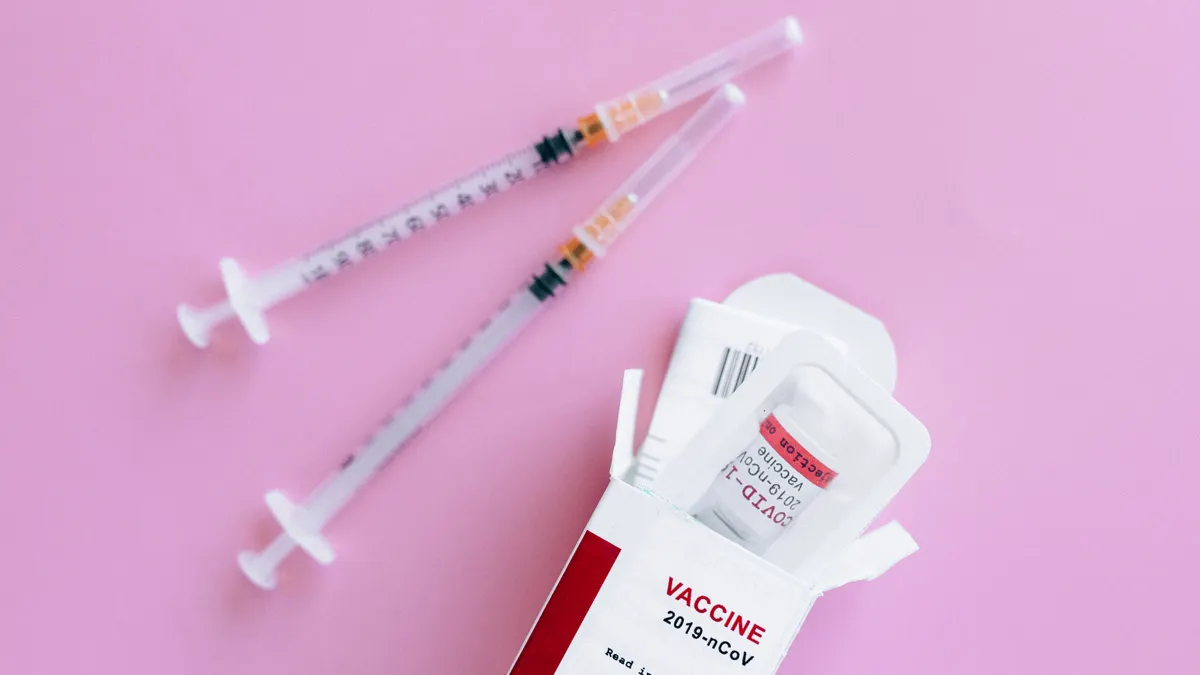
The four vaccines that most often come up for adults after 60 are the shingles vaccine, influenza vaccine, pneumococcal vaccine, and RSV vaccine. Those are the ones most likely to prevent serious illness, hospital stays, or long recoveries in later life.
Shingles is the name people know, but the vaccine is what matters because shingles can be painful and can linger. The flu shot is still a yearly job, not a once-and-done job. Pneumococcal vaccination helps protect against pneumococcal disease, which can cause pneumonia, bloodstream infection, and meningitis. RSV vaccine is newer for many adults, but it has become part of the conversation because RSV can be rough on older lungs and hearts.
These four are not the only vaccines you may need, but they are the ones most often discussed after 60. Some adults still need a tetanus-diphtheria-pertussis booster, hepatitis A or B vaccination, or other catch-up shots if they missed them earlier in life. The difference after 60 is that the priorities shift: the main goal is to reduce the infections most likely to become severe, not to chase every vaccine on a generic adult list.
Therefore, the trade-off is mostly about planning. A primary care physician can sort out timing, spacing, and whether any vaccine should wait because of a current illness, immune suppression, or a recent dose. For an official overview, the CDC’s adult immunization schedule for ages 19 years or older is the standard reference many clinicians use.
Which vaccines are recommended for seniors?
For many seniors, the recommended vaccines are shingles, flu, pneumococcal, and RSV, with other boosters depending on prior records and medical history. That is the short answer most people actually need.
Here is how the common vaccines usually fit together:
- Shingles vaccine: commonly given as a 2-dose series.
- Influenza vaccine: given every year.
- Pneumococcal vaccine: may be a one-dose or multi-step plan depending on what you have already had.
- RSV vaccine: often a one-time shot for eligible older adults, with eligibility based on age and risk factors.
The exact vaccine names matter because the schedule can hinge on the product, not just the disease. For example, pneumococcal vaccination may involve PCV15, PCV20, or another product depending on prior history and current recommendations. That detail can change what you need next, so a list from memory is not enough.
This is also where people often overbuy their own certainty. A person who says, “I had pneumonia vaccine years ago, so I’m done,” may be right or may still need another pneumococcal dose depending on which product was used. A person who says, “I got shingles once, so I don’t need the vaccine,” is mixing up the illness with the prevention.
A senior immunization guide is most useful when it separates two questions: what protects most adults after 60, and what applies to you personally. That second question depends on records, age, and health conditions. The CDC and the Immunization Action Coalition both publish adult vaccine guidance that clinicians use to cross-check those details.
How do I know which shots I am due for?
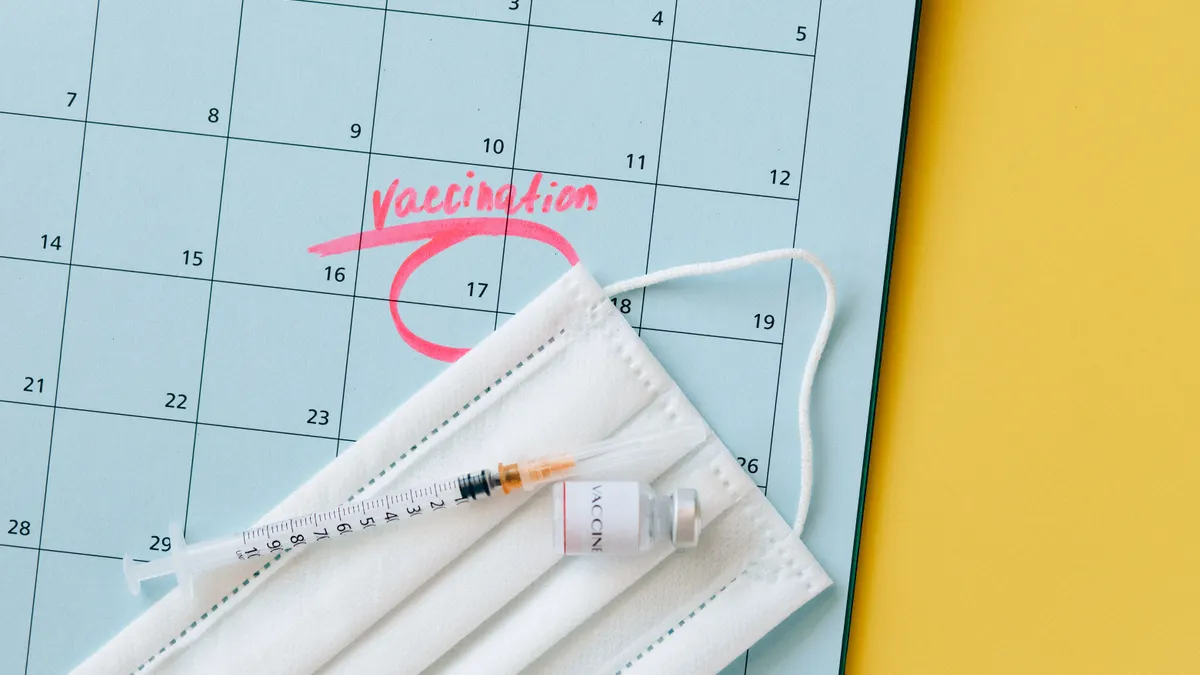
You know which shots you are due for by checking your vaccination record, matching it against an adult schedule, and then having a primary care physician confirm what still applies. That is the cleanest way to avoid both missed doses and unnecessary repeats.
Use this simple procedure:
- Gather your vaccine record from a patient portal, old paper card, pharmacy, or prior doctor’s office. Even one date helps. The result you want is a list of what you already received, not a guess.
- Write down your age and major conditions, such as diabetes, chronic lung disease, heart disease, kidney disease, cancer treatment, or immune suppression. Because these can change the recommendation, a primary care physician or pharmacist should confirm what still applies using the CDC adult schedule and your chart.
- Check the current adult schedule against your records. The CDC schedule is updated regularly, so a recommendation from 5 years ago may not match current guidance.
- Bring the list to your primary care physician or pharmacist and ask which vaccines are due now, which are optional, and which are not needed because you already completed them. You should leave with a short plan, not a vague maybe.
- Ask what can be given together in one visit. Many clinics can administer more than one shot at the same appointment, which saves time and reduces the chance you forget the second visit.
The big mistake here is relying on memory. The cost is usually either missed protection or an extra appointment to untangle the record. A second mistake is assuming all “pneumonia shots” are interchangeable. They are not, and the label on the record matters.
If you cannot find your old records, do not treat that as a dead end; instead, ask a primary care physician or pharmacist to help reconstruct your history from what you can document, with CDC guidance as the backup source. A clinician can often work from what is known, especially if you know the year, the location, or the pharmacy chain. The goal is a sensible plan, not perfect history.
The shingles vaccine: what it does and who should get it
The shingles vaccine is one of the most important adult immunizations for older adults, and many people over 60 should ask about it even if they had shingles before. The key point is simple: prior shingles illness does not rule out vaccination.
Shingles comes from the varicella-zoster virus, the same virus that causes chickenpox. As people age, the risk of shingles rises, and so does the chance of prolonged nerve pain after the rash clears. That lingering pain is one reason clinicians push this vaccine hard in later life.
The standard product used in the United States is a 2-dose recombinant shingles vaccine. The spacing between doses is typically a few months, so it is not just a single stop-in and done visit. If you start it, plan to finish it. Partial protection is not the goal.
The main drawback is that the vaccine can cause a sore arm, fatigue, or a day or two of feeling run-down. That is unpleasant, but it is usually short-lived compared with the burden of shingles itself. Another limitation is timing: if someone is in the middle of certain cancer treatments or has a badly weakened immune system, the right timing may need physician guidance, so ask a clinician before scheduling.
This is not the vaccine to skip because you “never get sick.” Shingles is not a cold, and age alone shifts the risk. If you are building a vaccine plan after 60, shingles usually belongs near the top of the list.
Flu shot after 60: why it still matters every year
The influenza vaccine still matters after 60 because flu remains a seasonal infection that can turn into pneumonia, dehydration, or a hospital stay fast. That yearly shot is one of the simplest ways to lower risk.
The main rule is easy to remember: the flu vaccine is annual, not permanent. The strain mix changes over time, which is why a shot from last year does not cover this year in the same way. The timing also matters. Many people get it in the fall, but the practical answer is to get it as soon as the current season’s vaccine is available and your clinician says it is appropriate.
Some older adults are offered a high-dose or adjuvanted influenza vaccine because standard-dose options may not be the best fit for every senior immune system. That is a good example of why “the flu shot” is not a single product. The right version can depend on age, supply, and medical history.
A common mistake is waiting until flu is already everywhere in the community. By then, you may still benefit, but you have less margin. Another mistake is thinking you can combine “I got it once” with “I don’t go out much.” Exposure is not the only issue; age itself raises the stakes if you do catch it.
If the shot makes you sore for a day, that is an inconvenience. If the flu lands you in the emergency department with breathing trouble, the equation looks different. That trade-off is why clinicians still recommend the annual shot for older adults.
Pneumococcal and RSV vaccines: the later-life protection people miss
Pneumococcal and RSV vaccines are often the ones older adults overlook, even though both can matter a great deal after 60. These are not flashy vaccines, but they address illnesses that can hit hard in this age group.
Pneumococcal vaccination protects against infections caused by Streptococcus pneumoniae. For adults, the schedule can depend on age and whether you have already received a prior pneumococcal vaccine. In practice, that means your record matters. A person who had an older pneumococcal shot years ago may still need a newer formulation now. The details are guided by the current CDC schedule and your prior doses.
RSV vaccine is the newer name on many senior vaccine lists. RSV can cause severe lower respiratory disease in older adults, especially if they have chronic heart or lung disease. Eligibility is not identical for every older adult, and the recommendation may depend on age band, risk factors, and the current guidance in effect when you are seen.
There are trade-offs here. Pneumococcal schedules can feel confusing because the product names are not intuitive. RSV can feel optional because people associate it with infants, not seniors. Both of those assumptions can lead to missed protection.
A good rule is this: if your clinician mentions either vaccine, ask what problem it is preventing, whether you have already had a compatible dose, and whether it should be given now or at a future visit. That turns a vague recommendation into a concrete plan.
For current guidance, the CDC adult immunization schedule and the ACIP recommendations are the authoritative sources clinicians use when they check eligibility and dose history.
What to ask your primary care physician before you leave
You should leave the visit with a clear answer to three things: which vaccines you need now, which ones are finished, and when the next dose is due. That is the part that keeps the plan from fading after the appointment.
A useful 2-minute checklist:
- “Which of the four main vaccines after 60 do I need now?”
- “Do I need a shingles series or just a booster-type follow-up?”
- “Which pneumococcal product did I have before, if any?”
- “Am I eligible for the RSV vaccine?”
- “Do I need a flu shot every year even if I feel healthy?”
- “Can any of these be given on the same day?”
The point of asking in this order is to separate essentials from extras. A person with an up-to-date vaccine record may need only the yearly flu shot and a timing check for RSV. Another person may need several catch-up doses because records are incomplete. That is normal.
One honest limitation: this guide cannot replace a clinician’s review of your own chart. Vaccine decisions after 60 can change if you take immune-suppressing medication, have had organ transplantation, or are in active cancer treatment. Those are not reasons to avoid vaccination automatically, but they are reasons to plan carefully.
This is also the age when “I’m not sure” becomes expensive. If you are uncertain, do not wait another year. Make the record check part of your next primary care appointment and ask for the vaccine list in writing.
If you want a bigger planning picture, this page fits under the hub on medical planning after 60, where vaccination is one piece of the broader age-60-plus checklist.
Which vaccines are recommended for seniors?
For many seniors, the main recommended vaccines are shingles, influenza, pneumococcal, and RSV, plus any catch-up or booster doses they still need. The exact list depends on what you already had, your age, and your medical conditions. A primary care physician can match your records to the current CDC adult schedule.
Do older adults need an RSV vaccine?
Many older adults do, but not every older adult will meet the same recommendation at the same time. RSV vaccine decisions depend on age and health risk, and the guidance can change as recommendations are updated. If you have chronic heart or lung disease, ask your clinician directly whether you are eligible now.
How do I know which shots I am due for?
You know by comparing your vaccine records with the current adult schedule and reviewing the result with a clinician. Old paper cards, pharmacy records, and patient portals all help. If you do not have complete records, a primary care physician can still usually build a safe plan from the doses you can document.
Drafted with AI; not yet reviewed by a person.