Last updated: November 05, 2026
In short: after 60, a comprehensive eye exam is usually the right move when vision changes, and it is also the right move even when glasses seem fine if it has been a year or more since the last exam. The reason is simple: an eye exam after 60 is not just about sharper reading vision. It can also screen for glaucoma, cataracts, macular degeneration, and eye changes tied to diabetes. This article answers the question When Should Seniors Get an Eye Exam? Warning Signs, Screening, and Next Steps with practical guidance for adults over 60.
Key Takeaways
- After 60, yearly eye exams are common if diabetes, glaucoma, macular degeneration, cataracts, or new symptoms are present.
- Prompt changes need prompt appointments; slow, stable blur can often wait for a scheduled exam.
- A comprehensive eye exam checks disease, eye structure, and systemic clues, not just glasses.
- Some eye problems are quiet, and some need treatment before the person feels much at all.
A new pair of glasses can fix blur. A comprehensive exam can find the cause of blur. That difference matters, because some eye diseases can damage vision before a person notices pain or major change. If the goal is only to update a prescription, an optometrist is often the first stop. If the concern is a medical eye problem, an ophthalmologist may be needed. The right choice depends on the symptom, not just the calendar.
When should seniors get an eye exam after 60?
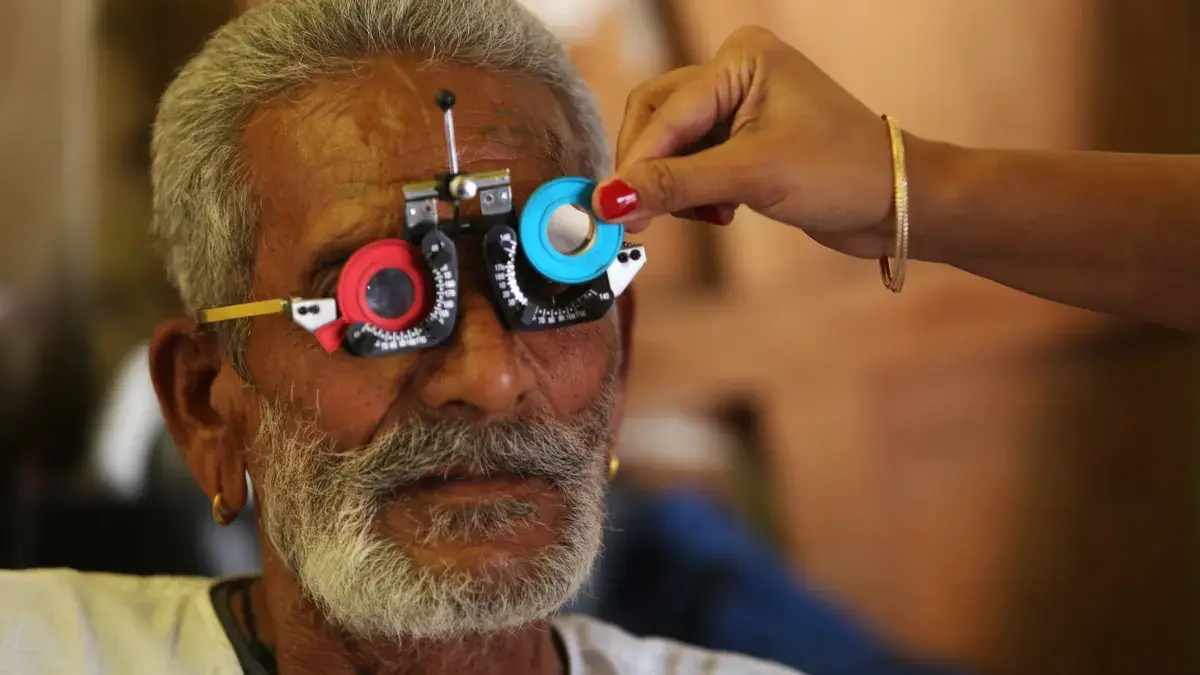
Seniors should get an eye exam after 60 at least once a year if they have diabetes, a history of glaucoma, macular degeneration, cataracts, or any new vision complaint. For someone with stable eyes and no major risk factors, a regular comprehensive eye exam every 1 to 2 years is a common pattern, but a clinician may advise a shorter interval based on findings.
The phrase “eye exam” gets used loosely, and that causes trouble. A vision check for glasses is not the same thing as a medical eye exam. A routine refraction tells the provider how the eyes focus. A comprehensive eye exam goes further: it looks at the front of the eye, the lens, the retina, the optic nerve, eye pressure, and signs of disease. That broader exam is the one that answers the “do I need glasses?” question and the “is something medically wrong?” question.
There is one practical rule worth keeping: if the last exam was more than 12 months ago and the person is over 60, the default should be to schedule a comprehensive eye exam rather than wait for a dramatic symptom. The cost of waiting can be a missed window for early treatment, so it is reasonable to consult a professional rather than assume the blur is harmless. That is especially true with glaucoma, which can reduce vision quietly, and with diabetic eye disease, which may not feel urgent at first.
The exception is a sudden change. If vision drops quickly, one eye looks different from the other, or flashing lights appear, do not wait for a routine appointment. That is a same-day or urgent visit question, not a “sometime this year” question.
A practical reader is usually looking for the next step, not a slogan. The wrong fit is the person who only needs a new prescription and has no other symptoms. That person still benefits from regular care, but the medical urgency is lower.
What counts as a warning sign, and what can wait?
Warning signs are the changes that should prompt a prompt eye appointment, while slow, stable blur can often wait for a scheduled exam. The difference is not academic; it changes whether the person should call an optometrist next week, an ophthalmologist soon, or urgent care the same day.
The most common warning signs after 60 include:
- new blurry vision that does not clear with blinking
- trouble seeing at night or in dim light
- more glare from headlights or sunlight
- straight lines looking bent or wavy
- a curtain, shadow, or missing area in vision
- flashes of light or a sudden shower of floaters
- eye pain, redness, or light sensitivity
- double vision that is new
- one eye seeing much worse than the other
Some of these are classic disease clues. A cloudy lens often points toward cataracts. Wavy central vision can point toward macular degeneration. Eye pressure and optic nerve damage can be tied to glaucoma, which is why pressure testing and nerve checks matter even when the eye feels normal. A sudden curtain or burst of floaters can signal retinal trouble and should not be put off.
What can usually wait for a regular appointment? Mild, gradual blur in both eyes, a slightly stronger need for reading glasses, or a sense that the current prescription is “not quite right.” That does not mean ignore it. It means the problem is more likely to belong in a scheduled comprehensive eye exam than in an emergency room.
One common mistake is treating all blur as a glasses problem, so it is better to consult a professional if the change is new, one-sided, or paired with other symptoms. The better move is to describe the change in plain language: when it started, whether it is one eye or both, and whether it is sudden or gradual. That gives the eye doctor a faster route to the right exam.
If the person has diabetes, this section deserves extra weight. Diabetes and vision problems can show up without pain, and a change that seems small to the patient can matter a lot to the retina.
What does a comprehensive eye exam check for besides glasses?
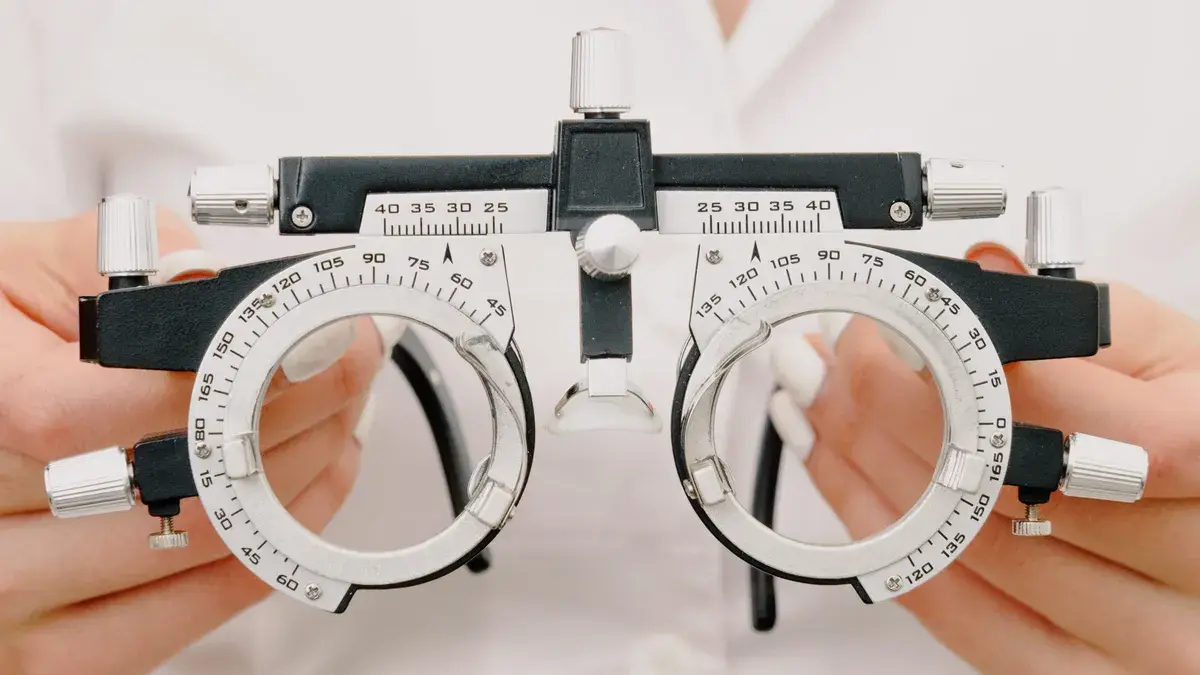
A comprehensive eye exam checks for disease, eye structure problems, and signs of systemic illness besides the glasses prescription. It is a medical screening as much as a vision test, and that is why the appointment is longer than a simple refraction.
A typical exam may include several parts:
- Visual acuity test in the exam lane, usually with an eye chart such as the Snellen chart. This shows how clearly each eye sees at distance.
- Refraction with lenses or a phoropter. This identifies the prescription that sharpens vision.
- Eye pressure test, often called tonometry. This helps screen for glaucoma risk.
- Pupil and eye movement checks. These look at nerve function and alignment.
- Slit-lamp exam. This magnified light test looks at the cornea, iris, lens, and front chamber.
- Dilated retinal exam or retinal imaging. This lets the clinician inspect the retina and optic nerve for macular degeneration, diabetic changes, retinal tears, or optic nerve damage.
The result is not just a stronger or weaker pair of glasses. It is a medical picture of the eye. That is the part many people miss when they shop only for “vision correction.” A person can leave with the same prescription and still have a useful exam because the doctor checked for cataracts, glaucoma, and retinal disease.
A practical trade-off: dilation can blur near vision and increase light sensitivity for several hours. That is inconvenient, but it is the price of seeing the retina clearly in many cases. Sunglasses help, and driving right after dilation may be unwise for some people. If the clinic offers retinal imaging instead of dilation, that can be helpful, but the provider may still recommend dilation depending on the eye findings and the reason for the visit.
If a reader wants the strongest screening, the question to ask is not “Do I need glasses?” It is “Do I need a comprehensive eye exam with dilation, or is this just a refraction?” That one sentence cuts through a lot of confusion.
For a broader checklist of age-related screening, the hub on preventive screening after 60 is the right next stop.
How do I decide between new glasses and a medical eye exam?
Choose new glasses when the main problem is stable blur and the exam shows no signs of eye disease; choose a medical eye exam when there are symptoms, risk factors, or findings that go beyond prescription changes. That split saves time and helps avoid treating the wrong problem as the right one.
A new glasses prescription is the likely answer if:
- the blur is gradual
- both eyes change in a similar way
- there is no pain, flashing, shadow, or distortion
- the person just needs more help for reading or distance
- the last comprehensive eye exam was recent and normal
A medical eye exam is the better choice if:
- vision changed suddenly
- one eye changed more than the other
- there is diabetes
- there is a history of glaucoma or macular degeneration
- there is eye pain, redness, or light sensitivity
- straight lines look bent
- there is trouble seeing at night that feels new
- there are flashes, floaters, or a curtain in vision
This distinction matters because a glasses update cannot fix a cataract, and it cannot treat glaucoma. A stronger prescription may make things look clearer for a while, but it does not address the disease itself. That is why the route through an optometrist or ophthalmologist matters. An optometrist often performs comprehensive eye exams and manages many routine findings. An ophthalmologist is a medical doctor and surgeon who handles eye disease, surgery, and more complex cases.
One mistake seniors make is assuming that if they can still read the newspaper with glasses, there is no reason to schedule a medical exam. That assumption can hide early disease. The better question is: “Has my vision changed in a way glasses alone cannot explain?” If the answer is yes, the next step is not a stronger lens prescription. It is a clinical eye exam.
How do glaucoma, cataracts, macular degeneration, and diabetes fit in?
These conditions are a major reason seniors need a comprehensive eye exam, because each one can affect vision in a different way and at a different pace. Some are slow and quiet, some are obvious, and some need treatment before the person feels much at all.
Glaucoma often damages the optic nerve gradually. People may not notice early loss because peripheral vision can fade before central vision is affected. That is why eye pressure testing and optic nerve evaluation are part of screening, not just extras.
Cataracts cloud the lens. Common clues include glare, faded color, halos around lights, and a general sense that glasses are no longer helping enough. Cataracts are common with age, but “common” does not mean harmless. They can make driving, reading, and stairs harder.
Macular degeneration affects central vision. Straight lines may look wavy, faces may be harder to recognize, and reading can become difficult even with a current prescription. A quick self-check with an Amsler grid may be suggested by some clinicians, but that does not replace an exam.
Diabetes and vision need special attention because diabetic retinopathy can damage the retina without obvious pain. A person with diabetes should not wait for blur before booking an eye exam. Regular retinal screening is the point.
The honest limitation here is that no article can tell a reader which disease is present. Symptoms overlap. Glare can be cataracts or simply lighting. Blur can be a prescription shift or retina disease. That is why the exam matters more than self-diagnosis. The right clinician can sort out whether the issue belongs with an optometrist, an ophthalmologist, or both.
What should a senior do next if the last exam was years ago?
The next step is to book a comprehensive eye exam, bring current glasses or contact lenses if used, and describe the vision change in plain words. That is the shortest path from “I think something is off” to a real answer.
Use this sequence:
- Find the right appointment type. Ask for a comprehensive eye exam, not only a glasses check. That steers the visit toward screening as well as prescription work.
- Choose the provider based on symptoms. Start with an optometrist for routine care and prescription updates. Choose an ophthalmologist if there is known eye disease, surgery history, diabetes with eye changes, or a sudden symptom.
- Describe the problem clearly. Say when it started, whether it is one eye or both, and whether the change is sudden or gradual. A 2-week change and a 2-year change are not the same clinical story.
- Be ready for dilation if recommended. Plan for blurry near vision and light sensitivity for several hours. Sunglasses are worth bringing.
- Ask what was found and what happens next. The point is not just “your prescription changed.” The point is whether glaucoma, cataracts, macular degeneration, or diabetic eye disease needs follow-up.
Two common mistakes deserve a warning. First, waiting until the current glasses stop working completely. That often means waiting too long. Second, booking only a retail-style vision check when symptoms suggest disease. That can delay the right diagnosis. The cost is time, and with eye disease, time can matter.
This is also where a long gap between exams becomes useful information. A person who has not had an exam in 3 or 4 years does not need shame; they need a plan. The plan is a comprehensive exam now, then a follow-up interval based on what the clinician finds.
How often should adults over 60 get an eye exam?
Adults over 60 should usually have a comprehensive eye exam every 1 to 2 years, and sooner if they have diabetes, glaucoma risk, macular degeneration, cataracts, or new symptoms. If a clinician recommends yearly follow-up, that advice should override a generic schedule. A routine glasses update alone is not enough when there is disease risk.
What vision changes are not normal after 60?
Sudden blur, flashes of light, a shower of floaters, a curtain over vision, wavy lines, new double vision, eye pain, or worsening night vision are not normal changes to ignore after 60. Slow, mild reading changes are common, but abrupt or one-sided changes need prompt evaluation. A comprehensive eye exam is the right next step.
What does an eye exam check for besides glasses?
A comprehensive eye exam checks eye pressure, the optic nerve, the retina, the lens, eye movement, and signs of conditions such as glaucoma, cataracts, macular degeneration, and diabetic eye disease. It may include dilation, which lets the clinician see structures that a glasses-only test cannot. That is the difference between refraction and medical screening.
Drafted with AI; not yet reviewed by a person.