Last updated: November 05, 2026
In short: a bone density test after 60 is a quick, low-radiation scan that shows how strong your bones are and whether you may have osteoporosis or osteopenia. After 60, it becomes a practical screening tool, especially if you have risk factors such as a prior fracture, long-term steroid use, low body weight, smoking, or a family history of hip fracture.
Key Takeaways
- A bone density test measures bone mineral in the hip and spine with a DEXA scan.
- After 60, discuss screening when age and risk factors overlap, even if you feel well.
- A DEXA scan is usually done in a radiology clinic, hospital outpatient department, or specialty imaging center, and the whole process is simple enough to fit into a short appointment.
- Preparation for a bone density test is light, and most people do not need to fast.
A bone density test after 60 is usually a DEXA scan, short for dual-energy X-ray absorptiometry. It does not diagnose every bone problem, and it does not tell you whether your bones will definitely break; if you are unsure how to read the result, consult a professional. It gives a measured baseline that a primary care clinician or endocrinologist can use to decide whether you need closer follow-up, and the Bone Health & Osteoporosis Foundation and the NIH Office of Osteoporosis and Bone Health describe DEXA as the standard test used to measure bone density.
What a bone density test actually measures
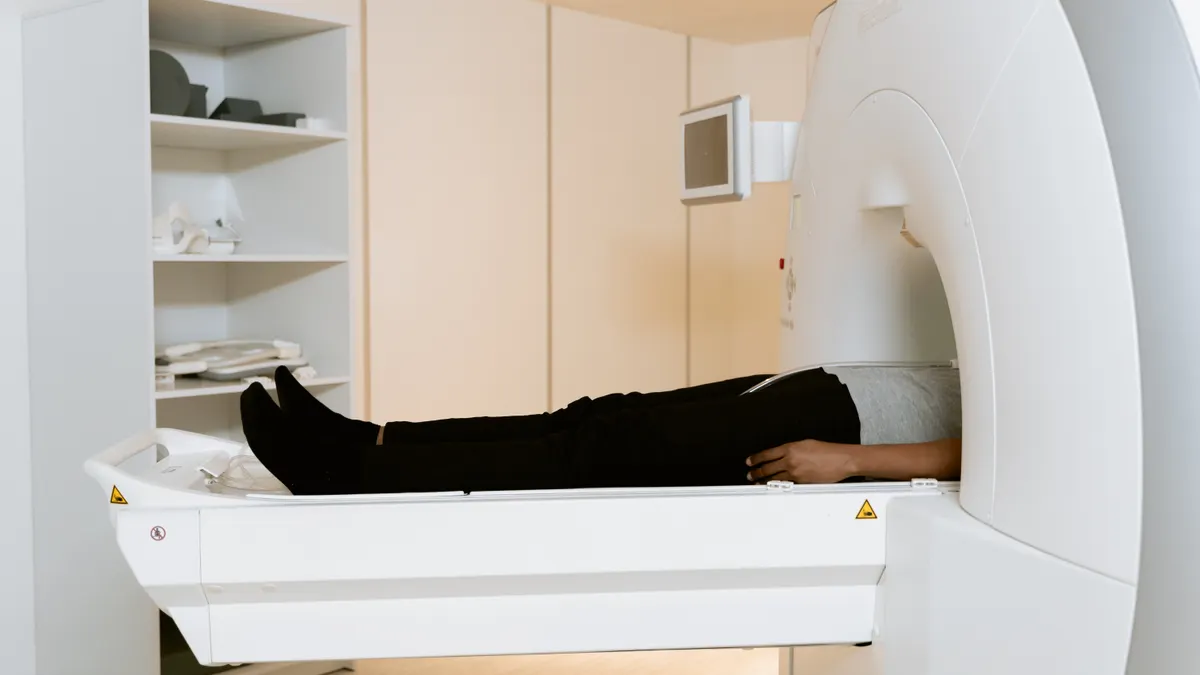
A bone density test after 60 measures the amount of mineral in a defined area of bone, usually at the hip and spine, using a DEXA scan. The result is reported as a T-score and sometimes a Z-score, which compare your bone density with reference values. In plain terms, the test shows whether your bones are denser than expected, about average, or lower than expected.
That matters because osteoporosis often has no symptoms until a fracture happens. A person can feel fine, walk normally, and still have bone loss that raises the chance of a wrist, spine, or hip fracture. Osteopenia is the middle ground: bone density is lower than normal, but not low enough to meet the standard definition of osteoporosis.
A DEXA scan is not the same thing as an X-ray taken for pain after an injury. It is a screening and measurement test, usually done on a flat table with a scanning arm passing over the body for about 10 to 20 minutes. The radiation exposure is low, which is one reason it is used for routine osteoporosis screening.
The test also has limits. It measures bone density, not bone quality, fall risk, balance, muscle strength, or past fractures. A normal result does not erase risk if you have had a fragility fracture or if you are taking medications that thin bone over time. That is why the result must be read alongside your history, not in isolation.
For readers building a screening plan after 60, this page sits alongside the broader preventive screening after 60 guide, but the question here is narrower: what the test is, when it is used, and how to interpret the result.
When should adults after 60 get one?
Adults after 60 should get a bone density test when age is paired with risk, and many people should discuss screening even if they feel healthy. A common practical trigger is being a woman age 65 or older or a man age 70 or older, since age itself raises fracture risk. But age is only part of the decision, and if you are unsure whether your situation fits, consult a professional.
A primary care clinician may also suggest testing after 60 if any of these apply: a fracture from a minor fall or from standing height, long-term glucocorticoid use, rheumatoid arthritis, early menopause, low body weight, smoking, heavy alcohol use, or a parent with a hip fracture. The more risk factors you have, the less useful it is to wait for symptoms.
The test is also worth asking about if you have already been told you have osteopenia and the result is old. Bone density can change over time, and a previous result may no longer reflect your current risk. A repeat scan is often used to monitor people already diagnosed with osteoporosis or those starting treatment, though the timing depends on the situation and the clinician’s judgment, so consult a professional about when to repeat it.
One useful rule: if you are over 60 and have had any low-trauma fracture, do not assume the fracture was just bad luck. That is a reason to ask about osteoporosis screening. A wrist fracture after a simple fall, for example, can be the first warning sign of fragile bone.
This is not a test to request just because a friend had one or because you want a number on paper. It is most useful when the result could change what happens next: closer follow-up, a diagnosis, or treatment planning, so consult a professional if you are unsure whether it would change care. If the result would not change any decision, it may be less urgent.
How to get a DEXA scan done, step by step
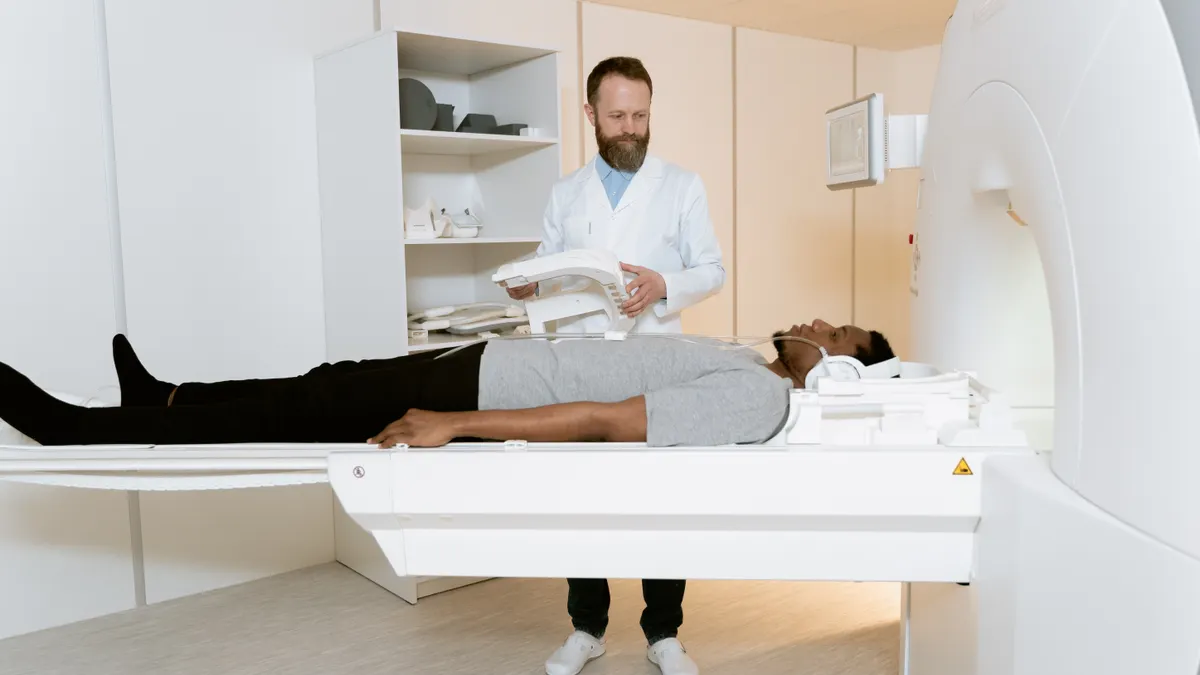
A DEXA scan after 60 is usually done in a radiology clinic, hospital outpatient department, or specialty imaging center, and the whole process is simple enough to fit into a short appointment. The scan itself commonly takes about 10 to 20 minutes, with no needles and no contrast dye.
-
Book the appointment with the right reason. Ask for a bone density test or DEXA scan, and mention your age plus any risk factors, such as a past fracture or steroid use. The result is that the scheduling staff can place it under osteoporosis screening rather than a general X-ray visit.
-
Bring a medication list. Include prednisone, thyroid hormone, aromatase inhibitors, seizure medicines, and any prior osteoporosis drugs. The result is a more accurate interpretation, because medicines can change bone turnover and affect how the scan is read.
-
Wear simple clothing without metal. Avoid belts, zippers, snaps, or thick jewelry, since metal can interfere with the image. The result is fewer delays and less chance of needing to change clothes at the clinic.
-
Lie flat while the scanner passes over your hip and spine. You stay still on a padded table while the machine measures bone density in key areas. The result is a standardized reading that the software converts into T-scores and other measurements.
-
Ask when and how the result will be reported. Many clinics send the report to the ordering clinician rather than explaining it on the spot. The result is that you know whether to expect the numbers by phone, through a patient portal, or at a follow-up visit.
-
Use the report to plan the next step. A normal scan, osteopenia, or osteoporosis each leads to a different follow-up discussion. The result is not a yes-or-no answer on its own; it is a decision point.
A common mistake is treating the scan as a one-time checkbox and never asking what the numbers mean. That can cost time if there is a treatable pattern of bone loss, so ask a professional what the hip and spine T-scores mean for you. The better move is to ask for the actual T-score at the hip and spine and to ask how often repeat testing makes sense for you.
How to prepare for a bone density test
Preparation for a bone density test after 60 is light, and most people do not need to fast. A DEXA scan usually does not require special diet changes, but a few practical steps matter because they can affect accuracy or the chance of a delay.
First, tell the clinic if you recently had a barium study, a nuclear medicine scan, or a CT scan with contrast. These can interfere with the measurement depending on timing. A recent contrast study may mean the appointment should be moved. The exact wait time depends on the test, so the clinic should give the timing rather than guessing.
Second, mention any spine surgery, hip replacement, or severe arthritis. Hardware and degenerative changes can make one site hard to interpret, which is one reason some reports focus more on the hip than the spine. A person with a total hip replacement may still have the other hip and the spine measured, but the reading needs context.
Third, take the report seriously even if you feel well. Preparation is not only about the day of the scan; it is also about being ready to ask the right follow-up questions. If you have a previous DEXA report from 2 or 5 years ago, bring it. A comparison can show whether bone density is stable, drifting down, or improving.
You usually do not need to stop ordinary medicines before the scan unless the imaging center tells you otherwise. If you take calcium supplements, do not make assumptions; ask the clinic whether to take them as usual on the day of the appointment. The answer can vary by site and by the type of scan being done.
The honest drawback here is that people sometimes overprepare. They skip medications, worry about fasting, or cancel because they think the test is complicated. In reality, the main job is simple: arrive with the right information so the result can be interpreted correctly.
What the result means for osteoporosis and osteopenia
A DEXA result usually falls into one of three buckets: normal bone density, osteopenia, or osteoporosis. The T-score is the number most people hear about. A lower T-score means lower bone density, and the threshold helps clinicians classify risk.
Osteopenia means bone density is below the normal reference range but not low enough to meet the osteoporosis cutoff. That is not a harmless label. It can signal a middle stage where fracture risk is rising, especially if age and other risk factors stack up. Osteoporosis means bone density is low enough that fracture risk is clearly higher and the condition may need active management.
Do not make the mistake of reading the result as a moral score. A low number does not mean you failed to exercise enough or ate the wrong way; it means the skeleton has lost mineral density for reasons that can include age, hormones, medication exposure, genetics, or chronic illness. A person with osteopenia may need a very different plan from someone with osteoporosis plus a prior fracture.
The scan also helps answer a more practical question: how urgent is the follow-up? A mild change in the result may call for repeat testing later. A much lower T-score, or a fracture history plus low bone density, can push the discussion toward treatment, but consult a professional before assuming treatment is needed. That is where a primary care clinician or endocrinologist comes in.
One useful question is whether the report should be interpreted using your full fracture risk profile, not just the bone density number. That is because bone density alone does not capture the whole picture. The result matters most when it changes what the clinician thinks should happen next.
Questions to ask after the scan
A good follow-up starts with three questions: what is my T-score, what does it mean for my fracture risk, and when should I repeat the test? Those three answers usually matter more than the raw printout.
Ask whether the hip or spine was the better site to use for decision-making. Some people have arthritis or spinal changes that can make the spine result look better than it really is. The report may list several sites, but not all are equally useful in every patient.
Ask whether your result fits osteoporosis, osteopenia, or normal bone density, and whether any other factor changes the interpretation. A prior fragility fracture can matter even if the scan is not dramatically low. That is a classic place where the number and the story have to be read together.
Ask who should manage the next step. Many people can start with a primary care clinician. If the case is more complicated — for example, early bone loss, unusual lab findings, repeated fractures, or suspicion of hormone-related causes — an endocrinologist may be the right specialist. The point is not to collect opinions; it is to match the problem to the right level of care.
A common follow-up mistake is assuming a normal scan means the issue is closed forever. Bone density can change, especially after 60. If the report suggests repeat testing in a set interval, treat that recommendation as part of the result, not as optional fine print.
Who this test is not for, and when to think twice
A bone density test after 60 is not the first step for every adult, especially if the result will not change any decision. If you have no major risk factors, no fracture history, and no reason to suspect bone loss, a clinician may decide the test can wait. Screening works best when it is targeted, not automatic.
It is also not the whole evaluation for someone with repeated falls, severe back pain, or a sudden height loss. Those problems may require a different workup in addition to a DEXA scan. Bone density is one piece of the picture, not the entire diagnosis.
Think twice about using a past normal result as a free pass for years. A normal scan from age 60 does not guarantee the same result at 68. Age, medications, and illness can change the picture. That is why follow-up timing matters.
This is the point where a lot of generic articles drift into supplements or exercise tips. That misses the real job of this page. The core decision is whether to screen, how to prepare, and what the report means. If you are over 60 and unsure, the best next move is a conversation with a primary care clinician, not a guess based on symptoms.
What does a DEXA scan measure?
A DEXA scan measures bone mineral density, usually at the hip and spine. It gives a T-score that compares your bone density with a reference population, which helps classify normal bone density, osteopenia, or osteoporosis. It does not measure balance, muscle strength, or fracture history, so the number has to be read with your overall risk.
Who should get a bone density test?
Adults after 60 should consider a bone density test if age is paired with risk factors such as a prior low-trauma fracture, long-term steroid use, smoking, low body weight, early menopause, rheumatoid arthritis, or a family history of hip fracture. A primary care clinician can help decide whether screening is useful now or can wait.
How should I prepare for a bone density test?
Preparation is simple: wear clothing without metal, bring your medication list, and tell the clinic about recent contrast studies, spine surgery, or joint replacements. Most people do not need to fast. If you have an older DEXA report, bring it so the new result can be compared with the old one.
What Is a Bone Density Test and When Should Adults After 60 Get One?**
A bone density test after 60 is a DEXA scan that measures bone mineral density and helps determine whether osteoporosis or osteopenia may be present. Adults after 60 should consider it when age is combined with risk factors such as fracture history, steroid use, low body weight, smoking, or family history, and clinicians may recommend repeat testing when the result could affect follow-up or treatment decisions. See the Bone Health & Osteoporosis Foundation, the NIH Office of Osteoporosis and Bone Health, and Mayo Clinic for more on DEXA scans and osteoporosis screening.
Drafted with AI; not yet reviewed by a person.