Last updated: October 31, 2026
A good doctor visit checklist for older adults turns a rushed appointment into something useful. Bring the right medicines, the symptoms, the numbers, and a few sharp questions; otherwise, you may end up hearing the familiar “come back later.”
Key Takeaways
- Before you leave home, have four things ready: a medication list, symptom notes, a blood pressure log if you use one, and your top questions.
- Build one page with six lines: why I am here, medicines, symptoms, numbers, questions, and who else should know the plan.
- Write the exact drug name, strength, schedule, and reason for each medicine.
- Track symptoms and blood pressure by writing down patterns instead of relying on memory.
Over 60, the aim is not to “be a good patient.” It is to make How to Prepare for a Doctor Visit After 60: A Senior Checklist for Better Answers easy for a primary care physician or specialist to use. So come in with a current medication list, recent blood pressure readings if you have them, a symptom diary, and the few questions that matter most. Less scrambling. Better answers.
That preparation matters most with a new clinician, a specialist visit coming up, or when several conditions and prescriptions are in play. It also helps when memory is shaky, the appointment feels rushed, or you leave the office and realize the main issue never came up.
What should be ready before you walk into the office for How to Prepare for a Doctor Visit After 60: A Senior Checklist for Better Answers?

Four things, no more guessing: your medication list, your symptom notes, your blood pressure log if you use one, and your top questions. Those items usually fit on one page or in a phone note, and they can turn a confusing 15-minute visit into one with a plan.
Start with the basics a clinician will ask about first: the reason for the visit, the names and doses of every prescription, over-the-counter medicine, vitamin, and supplement, plus any recent test results or discharge papers. Do not know the dose? Bring the pill bottle or a photo of the label. In practice, a written list beats a roomful of half-remembered details.
Write your main symptom in plain language. “Dizzy when I stand up,” “burning in my chest after dinner,” and “knee hurts going upstairs” help more than “I just feel off.” Add when it started, how often it happens, what makes it better or worse, and whether anything changed 1 to 2 weeks before it began.
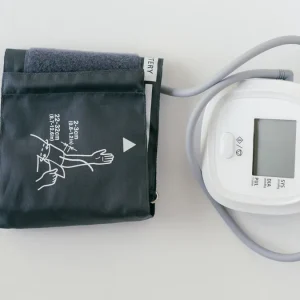
Got home blood pressure readings? Bring them with the date and time. A log showing morning and evening numbers over several days tells a better story than a single memory of “it was high last week.” If you do not have readings, say so. No need to improvise.
Bring backup if memory or hearing is an issue. A spouse, adult child, friend, or a written note can keep the appointment on track. And if the office uses patient portals, print the visit summary later or save the message so you can review it at home.
How do I build a doctor visit checklist for older adults?
Write one page with six lines: why I am here, medicines, symptoms, numbers, questions, and who else should know the plan. That is enough to handle the most common gaps in a primary care visit or specialist appointment without turning prep into a second job.
-
Write the reason for the visit in one sentence.
Put it at the top of the page or phone note. Example: “Annual checkup and new ankle swelling” or “Follow-up for blood pressure and medication refill.” When this is clear, the clinician can start with the right agenda instead of guessing. -
List every medication by name, dose, and schedule.
Include prescriptions, aspirin, sleep aids, antacids, vitamins, herbs, inhalers, drops, and injections. If you take metformin 500 mg twice a day, write exactly that, not “diabetes pill.” Take something only as needed? Note what triggers it. The result should look like a medication reconciliation sheet, not a memory test. See the NIH MedlinePlus guide to medicines: https://medlineplus.gov/druginformation.html -
Add allergies and past bad reactions.
Write the medicine and the reaction, such as “penicillin — rash” or “lisinopril — cough.” This matters because a reaction is not always a true allergy, and the clinician needs the details, not just the word “allergic.” -
Summarize your symptoms with timing.
Use 3 points: when it started, how often it happens, and what changes it. A symptom diary covering 7 to 14 days is often enough for recurring problems. Sudden or severe issue? Write the date and exact time it started. -
Record measurements if you have them.
Bring blood pressure, weight, blood sugar, oxygen readings, or temperature if they are part of your routine. For blood pressure, write the reading, arm used, and time of day. Numbers on a scrap of paper beat numbers trapped inside a device no one can see. -
Put your top 3 questions at the bottom.
Limit yourself on purpose. Arrive with 12 questions, and the important ones get squeezed out. Ask about treatment changes, follow-up timing, warning signs, and whether any medicine should be stopped, started, or adjusted. If you are unsure what to ask, the National Institute on Aging suggests bringing questions to your visit: https://www.nia.nih.gov/health/talking-doctor -
Name one person who should get the plan.
If a family member helps with rides, pills, or appointments, write their name and phone number. That step matters when the clinician says, “Make sure someone hears this plan.”
The checklist is finished when you can hand over the paper or read it aloud in under 2 minutes. That is enough prep for most routine visits. For a complex new diagnosis, though, you may need more room for records and questions.
What to put in a medication list that actually helps

A useful medication list gives the exact drug name, strength, how often you take it, and why you take it. That separates a list that gets glanced at from one that can prevent an error.
Use the name on the bottle or box. If the label says amlodipine 5 mg once daily, write that exact line. “One little white pill in the morning” leaves the office guessing. Include over-the-counter items too, because aspirin, diphenhydramine, ibuprofen, magnesium, and herbal products can matter just as much as prescription drugs.
Note how you really take each medicine. Skip the evening dose when you go out? Cut a tablet in half? Put that down. Many older adults take medicines a little differently from the printed directions, and the doctor needs the real pattern to judge whether a medication is helping, causing side effects, or being taken safely. The FDA provides patient information on safe medicine use: https://www.fda.gov/drugs
A smart list has four columns if you want to stay organized: medicine name, dose, schedule, and purpose. Keep it on your phone? Take a photo of the pill bottles as backup. And if you use a pill organizer, do not assume the clinician can infer what is inside it. The bottles, or at least the labels, are still the cleaner source.
One honest drawback: a medication list gets stale fast. A bottle in the cabinet from 6 months ago may not reflect what you actually take today. Before the appointment, cross out stopped medicines and add anything new from urgent care, a hospital stay, or another specialist. Unsure whether a medicine still belongs on the list? Bring it anyway and say, “I’m not sure if I still need this.”
How to track symptoms and blood pressure before the visit
Write down patterns instead of trying to remember how you felt last Tuesday. That small habit gives a much clearer picture, and a short log from 3 to 14 days is usually enough.
For symptoms, note the date, time, what happened, and what you were doing right before it started. A simple format works:
- 8:10 a.m.
- Dizzy when getting out of bed
- Lasted 2 minutes
- Better after sitting
That kind of detail helps the clinician separate a one-off event from a pattern. If the symptom affects walking, sleep, meals, bowel movements, urination, mood, or balance, add that too. Those details change the conversation.
For blood pressure, bring the numbers exactly as they appear on the monitor. Do not round to “about 130.” Write the top number, bottom number, pulse if the machine gives it, and whether it was taken after sitting quietly for a few minutes. Using a home cuff? Bring the device to the visit if the office asks to compare readings. That can catch a cuff that does not fit well or a machine that spits out odd results.
No home blood pressure routine? Do not start one just to create paperwork for a single visit. That is extra effort with little payoff unless the doctor asked for it. Instead, bring any office readings you already have from recent visits and say what you remember about the pattern.
The useful result is a chart that shows trend, not perfection. One isolated high number can matter less than repeated readings over several mornings. One isolated low number after gardening in hot weather can mean something very different from a string of lows after a new medication.
What questions should older adults ask at a checkup?
Ask questions that force a decision: what is wrong, what should change, what should I watch for, and when do I come back. That keeps the visit focused and the next step obvious.
Bring 3 questions first. Need 10? Pick the 3 that matter most today. A good set might be:
- What do you think is causing this?
- Do any medicines need to change?
- What warning signs should send me back sooner?
Practical follow-ups fit a primary care physician visit or specialist appointment too:
- Is this likely to improve on its own?
- Do I need a test now, or can we wait?
- Should I keep a home blood pressure log?
- Is this medicine meant for short-term or long-term use?
- What side effects should I call about? If you are unsure, ask your clinician or pharmacist which side effects deserve a call, and the MedlinePlus drug pages can also help: https://medlineplus.gov/druginformation.html
- When should I schedule the next visit?
Have several conditions? Ask the clinician to rank them. “What is the one thing you want me to work on first?” is a strong question because it exposes priorities. It also helps when time is tight and the plan involves medication changes, physical therapy, or a specialist referral.
Skip questions that need a separate conversation the office never promised to handle. A long list can crowd out the issue that brought you in. Got a new concern that may need more time? Say so at the start: “I have one main problem and one extra issue. Which should we handle today?” That usually saves a second appointment.
What should I bring to a primary care physician or specialist appointment?
Bring your checklist, your ID and insurance card if the office requires them, a medication list, recent test results, and any device or record that explains your problem. That is the quickest way to avoid repeating work the office already did or missing something the doctor needs to see.
For a primary care physician visit, the job is usually broad: preventive care, medication review, symptom sorting, and follow-up planning. A specialist appointment is narrower, but often more technical. A cardiology visit may need home blood pressure readings or hospital discharge notes. A neurology visit may need a symptom timeline. A joint or spine visit may need prior imaging reports. The exact papers matter less than bringing the ones tied to the reason for the visit.
Lab results, imaging reports, or discharge instructions from another office? Bring copies if you can get them. A printed summary is often better than a vague memory of “the scan was normal.” If the office uses patient portals and you know how to access results on a phone, that can work too, but paper is still easier when the exam room is busy or the screen is small.
One useful rule: bring anything that changes the conversation. If the doctor is unlikely to need it, leave it home. You do not need a drawer full of old receipts, every bottle you have ever taken, or a stack of unrelated mail.
This page fits with the larger medical planning after 60 hub, where appointment prep sits alongside other everyday planning tasks that get easier when they are handled in one place.
Common mistakes that cost you time at the visit
The biggest mistake is arriving with nothing written down. That burns time because the clinician has to rebuild your story from memory, and memory gets fuzzy under stress. The fix is a one-page note, even if it is messy.
Another slip is bringing only the medicine you remember well and leaving out the rest. That hurts accuracy, especially when prescriptions come from different offices. Review every bottle at home the day before, including supplements and as-needed medicines.
A third mistake is talking about three or four problems at once without naming the main one. That can turn a 20-minute visit into a rushed triage session. Say, “My main concern is X,” then mention the other issues after that.
A fourth mistake is forgetting to ask what happens next. People often leave with a diagnosis but no clear follow-up date, no warning signs, and no idea whether a refill is coming. Ask for the plan before you stand up: “What should I do if this gets worse, and when do you want to see me again?”
One final trade-off: over-preparing can backfire if you bring so much paper that no one can find the main issue. A neat 1-page checklist beats a 10-page packet for most routine visits. The exception is a complex specialist appointment, where extra records may be useful.
Sudden chest pain, trouble breathing, fainting, one-sided weakness, or another emergency-level symptom? Do not turn that into a preparation exercise. Get urgent care right away.
What should seniors bring to a doctor appointment?
Bring a medication list, a short symptom note, recent readings such as blood pressure if you have them, and the questions you most want answered. If you have lab results, imaging reports, or discharge papers related to the visit, add those too. A photo of pill bottles can help if the labels are hard to read.
What questions should older adults ask at a checkup?
Ask what the doctor thinks is causing the problem, whether any medicine should change, and what warning signs matter. You can also ask when to follow up, whether a test is needed now, and what the next step should be if symptoms do not improve.
Drafted with AI; not yet reviewed by a person.