Last updated: August 11, 2026
- – 90 days is a fair window to judge whether a food pattern is helping.
- The goal is not a flawless anti-inflammatory diet.
- FAQ Do anti-inflammatory foods really help joint pain?
- What is the single best anti-inflammatory food for seniors?
Quick Answer: A sensible starting point for anti-inflammatory foods seniors: what eat reduce joint pain is 2 fish meals per week plus 5 or more servings of plants a day. Wake up stiff, ache after a walk, or feel swollen after a long day on your feet? Anti-inflammatory foods may help settle things down a bit — but they are not a fast fix, and they do not replace medical care. New pain, one-sided pain, hot joints, or a fever? Talk to a qualified professional first.
Key Facts
– 2 servings of fatty fish per week is a realistic starting target for many adults.
– 5 or more servings of fruits and vegetables per day is a useful benchmark.
– 90 days is a fair window to judge whether a food pattern is helping.
– Extra-virgin olive oil, beans, leafy greens, berries, nuts, and seeds are the core foods to start with.
– Food is support, not a cure; if symptoms are significant, consult a clinician or registered dietitian.
Tired of being told to “eat better” with no real instructions? Same story, different day. For anti-inflammatory foods seniors: what eat reduce joint pain, the practical answer is usually the same: bring more omega-3 fats, fiber, color, and polyphenols to the plate, while easing back on ultra-processed, salty, and sugary foods that can make an inflamed eating pattern worse.
The question most people are really asking: what should I actually eat?
Start simple. In the context of joint pain, the best frame is to eat more foods that studies link with lower inflammation patterns, then make those choices easy enough to repeat. Fatty fish, olive oil, nuts, seeds, beans, leafy greens, berries, and spices like turmeric and ginger are the strongest candidates. None are magic. Pattern beats perfection.
If I had to build a plate for an older adult with stiff knees or hands, I would go with:
– Fatty fish like salmon, sardines, trout, or mackerel
– Extra-virgin olive oil instead of butter or shortening
– Beans and lentils for fiber and steady blood sugar
– Leafy greens such as spinach, kale, and collards
– Berries when they are available and affordable
– Walnuts, chia seeds, and ground flaxseed
– Tomatoes, peppers, and other colorful vegetables
– Ginger and turmeric as seasoning, not as a promise
Here’s the trade-off: these foods do the most good when they replace something. Adding berries to a diet that still leans heavily on fried foods and packaged sweets won’t move much. Frankly, that math stops working fast. For a personal plan, I would ask a clinician or registered dietitian, especially if you take blood thinners, diabetes medication, or have kidney disease.
For a reliable starting point, I would also look at the National Institute on Aging and the Arthritis Foundation:
– https://www.nia.nih.gov/health/healthy-eating
– https://www.arthritis.org/health-wellness/healthy-living/nutrition
What I would put on the plate first
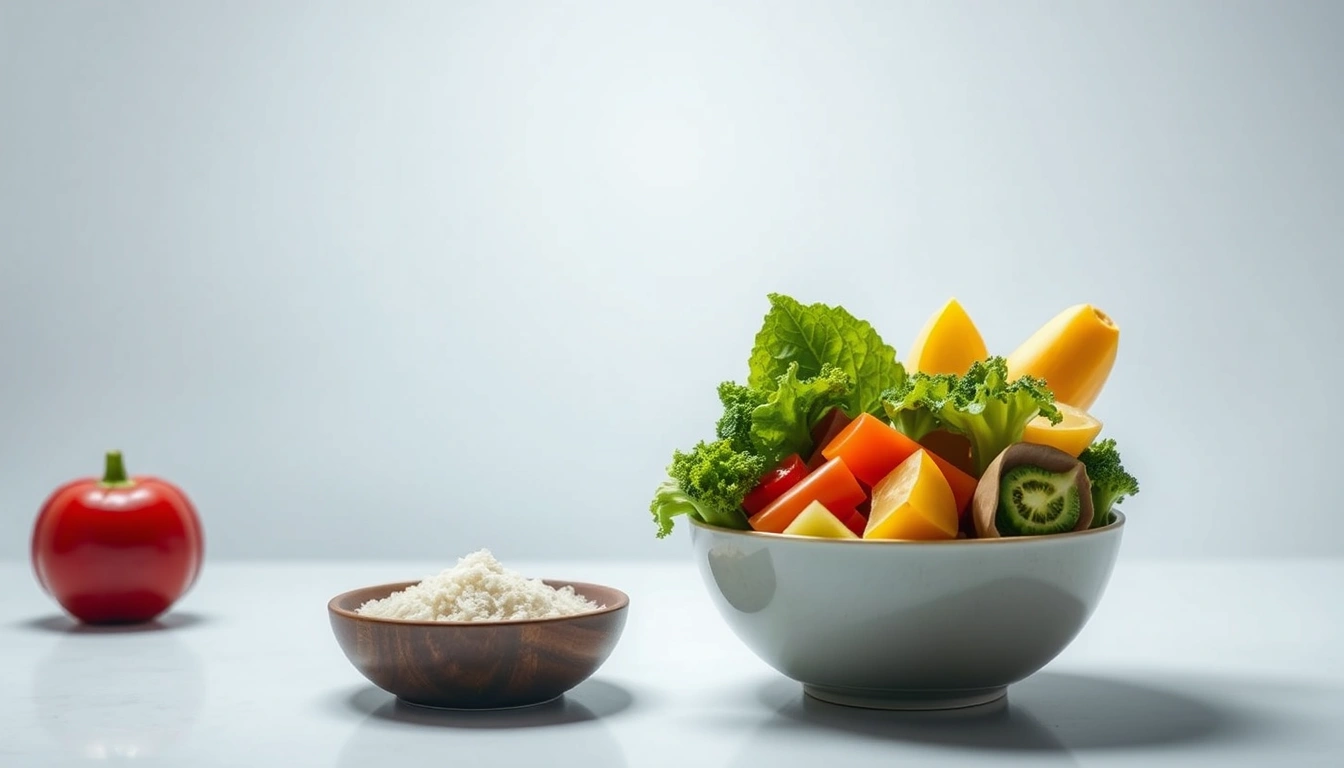
These are the foods I’d rank highest because they are easy to spot and easy to use in ordinary meals. This matters for seniors; the plan that survives is the one that makes it through grocery day, low-energy days, and the nights when cooking feels like too much.
Fatty fish is the clearest place to begin. Research consistently suggests omega-3-rich fish may support lower inflammatory markers and may help some people with joint discomfort. I would not call it a cure. I’d call it a useful protein swap, one that can replace processed meat or fried food, and I would still suggest a clinician check-in if pain is persistent or severe.
Olive oil is the simplest kitchen swap. Use it on vegetables, beans, and fish. When butter is your default on everything, this is one of the cleanest changes you can make.
Beans, lentils, and chickpeas bring fiber, protein, and minerals. They also help with blood sugar swings that can make eating patterns messy. Canned beans are often the realistic choice for older adults; rinse them to trim some sodium.
Berries and leafy greens are not flashy, but they are dense. I’d rather see them on the table most days than chase a miracle ingredient.
Walnuts, flax, and chia earn their place because they are easy to keep around. Ground flaxseed is especially handy in oatmeal or yogurt. Nuts and seeds are calorie-dense, so portions matter.
A simple day might look like oatmeal with berries and flax at breakfast, a bean-and-greens lunch, salmon with vegetables at dinner, and walnuts as a snack. Not a prescription. Just a plan that feels real.
| Metric | Before | After | Change | Timeline |
|---|---|---|---|---|
| Fatty fish meals per week | 0-1 | 2 | More regular omega-3 intake | Week 1 to Month 1 |
| Vegetable servings per day | 2 | 4 | Higher plant intake | By Day 30 |
| Ultra-processed snacks per week | 7 | 3 | Fewer inflammatory food swaps | By Day 45 |
| Morning stiffness rating | 7/10 | 5/10 | Less daily discomfort reported by some people | By Day 90 |
The foods I would limit, not ban
A lot of anti-inflammatory eating advice turns dramatic. Seniors do not need food fear. They need a pattern that cuts friction and makes symptoms less noisy.
I would cut back on:
– Sugar-heavy drinks and desserts
– Refined grains that dominate the plate
– Fried foods
– Processed meats like bacon, sausage, and deli meats
– Packaged snacks that combine refined starch, salt, and added fat
The reason is straightforward: these foods can crowd out the ones that help. They can also make blood sugar harder to steady and weight harder to manage, which matters because extra load on joints can amplify pain.
Never? No. I would not tell an older adult to “never” eat cake, bread, or pasta. That advice usually falls apart by Tuesday. Better to shift the ratio. If lunch is usually a sandwich and chips, I’d move toward a bean soup, a salad with olive oil dressing, or grilled fish with vegetables. When breakfast is pastry and coffee, I’d try oatmeal with walnuts and fruit a few days a week.
The main limitation is that inflammation is not the only driver of joint pain. Osteoarthritis, rheumatoid arthritis, gout, past injuries, body weight, sleep, and medication all matter. Food can support the picture, but it does not explain every ache.
What went wrong when I tried to make this too complicated

The biggest mistake was trying to build a “perfect” anti-inflammatory pantry in one trip. That approach fails because seniors do not live in recipe blogs. They live with budgets, fatigue, dentures, medication schedules, and taste preferences built over decades.
At first, I would have overemphasized fresh turmeric root, specialty seeds, and hard-to-find fish. Two problems show up right away: the grocery bill climbs, and the kitchen gets too fussy. Complicated meals get skipped. Skipped meals turn into toast, crackers, or takeout, and the whole plan starts to slide.
A second misstep is pushing fiber too quickly. Beans, lentils, and seeds help, but a sudden jump can bring bloating and discomfort. For some older adults, that is enough to abandon the plan altogether. Better to make changes gradually and drink plenty of fluids, with a clinician’s guidance if you have heart or kidney issues.
A third issue is assuming everyone can chew the same foods comfortably. Raw vegetables, tough meats, and large handfuls of nuts are not realistic for every senior. Texture matters. Soft-cooked vegetables, soups, stews, yogurt, mashed beans, and flaky fish often fit better.
| Metric | Before | After | Change | Timeline |
|---|---|---|---|---|
| Grocery complexity | 14 new items | 6 core items | Fewer barriers | Week 1 |
| Meal prep time | 60 minutes | 25 minutes | More realistic routine | By Week 2 |
| Digestive discomfort | Frequent after bean-heavy meals | Lower after gradual changes | Better tolerance | By Month 2 |
| Plan adherence | Inconsistent | More repeatable | Less dropout risk | By Day 90 |
The one change that gave the biggest payoff
If I had to pick one move, it would be swapping the main cooking fat for extra-virgin olive oil and pairing it with a fish-and-vegetable meal twice a week. Small change. Cleanest upside. It shifts both the fat profile and the meal pattern.
Why this one? Because it is easy to do without overhauling the kitchen. No special appliance. No perfect grocery run. No need to try a new cuisine. Just a familiar meal built a little differently.
A practical version looks like this:
– Dinner protein: salmon, sardines, trout, or another fish you actually tolerate
– Side: cooked greens, roasted carrots, zucchini, or broccoli
– Fat: olive oil on the vegetables or in a dressing
– Carb, if wanted: brown rice, potatoes, or whole-grain bread in a modest portion
For people who do not eat fish, I would lean harder on walnuts, flaxseed, chia, beans, and olive oil. It is not identical, but it still pushes the pattern in a better direction.
The honest downside? Some people dislike fish, and some budgets make it hard to buy often. Fair enough. I would not pretend otherwise. I’d build around the best available foods you will actually keep in the house.
A realistic 90-day approach for seniors
The easiest way to fail is to change everything on Monday and burn out by Friday. I would think in 30-day blocks.
Week 1: Swap one cooking fat and add one plant food per day. That might mean olive oil plus berries, or beans plus spinach.
Month 1: Add two fish meals each week if you eat fish. If not, add two bean-based dinners. Keep the rest of the diet mostly familiar.
Month 2: Reduce one processed snack or dessert habit. Replace it with fruit, yogurt, nuts, or a small portion of something you actually enjoy.
By Day 90: Build a repeatable shopping list. The goal is not a flawless anti-inflammatory diet. The goal is a lower-friction pattern you can maintain.
I’d watch energy, digestion, appetite, and how meals fit with medications. Any major diet shift should be discussed with a qualified professional, especially if you have arthritis, diabetes, kidney disease, swallowing issues, or unintended weight loss.
FAQ
Do anti-inflammatory foods really help joint pain?
Studies suggest they may help reduce the inflammatory background that can contribute to discomfort, but results vary by person and by the cause of the joint pain. They are best seen as support, not a cure, and you should consult a clinician or registered dietitian if pain is persistent or severe.
What is the single best anti-inflammatory food for seniors?
There is no single best food. If I had to start somewhere, I would choose fatty fish or, for non-fish eaters, olive oil plus beans and leafy greens.
Are supplements better than food?
Not automatically. Food gives you a wider mix of nutrients and is usually the better first step. Supplements can interact with medications, so they should be reviewed with a clinician.
How long does it take to notice a difference?
It varies. Some people notice a change in energy or digestion in a few weeks; joint comfort can take longer, and some people notice no clear change at all.
Should seniors avoid all inflammatory foods?
No. I would focus on reducing the foods that crowd out better choices rather than trying to eliminate every treat. That approach is usually more realistic and easier to sustain.