Last updated: October 11, 2026
Key Takeaways
- The memory-focused pick is strongest for recall and attention work.
- Peter Pauper Press is the easiest simple daily habit for seniors who want a low-stakes start.
- Erin Condren is the more polished choice for readers who want a desk-friendly journal.
- The 5-Minute Cognitive Workout Journal works better for gentle brain activity than for gratitude-only writing.
We may earn a commission from qualifying purchases at no cost to you.
Quick Answer: For most seniors, the best journals in this guide are the Archer & Olive Guided Gratitude Journal for calm structure, the Legend Planner Memory Journal for recall-focused writing, and the Peter Pauper Press 5-Minute Gratitude Journal for the easiest daily habit.
This guide to Best Journals for Seniors: Guided Gratitude and Cognitive Journaling Options Compared compares guided gratitude journals and cognitive journaling books by reading manufacturer listings, product specifications, and recurring themes in owner reviews, then weighing how much structure each journal provides and how demanding it is to keep up.
First published 11 October 2026.
| Product | Best for | Key spec |
|---|---|---|
| Archer & Olive Guided Gratitude Journal | Best overall for seniors who want calm structure | Guided prompts with generous page layout; exact page count is not always stated on every listing |
| Legend Planner Memory Journal | Best for cognitive journaling | Memory and reflection prompts; exact ruling, page count, and cover format vary by edition |
| Peter Pauper Press 5-Minute Gratitude Journal | Best budget-style daily habit | 5-minute prompt format; compact, daily-entry structure |
| Erin Condren Gratitude Journal | Best for people who want a polished desk journal | Guided gratitude prompts; multiple cover styles and formats sold by the brand |
| The 5-Minute Cognitive Workout Journal | Best for lighter mental stimulation | Short exercises aimed at memory, word play, and attention; exact content mix depends on edition |
| The Memory Activity Book for Adults | Best for low-pressure brain exercises | Activity-book format with recall, puzzle, and writing prompts |
How we chose
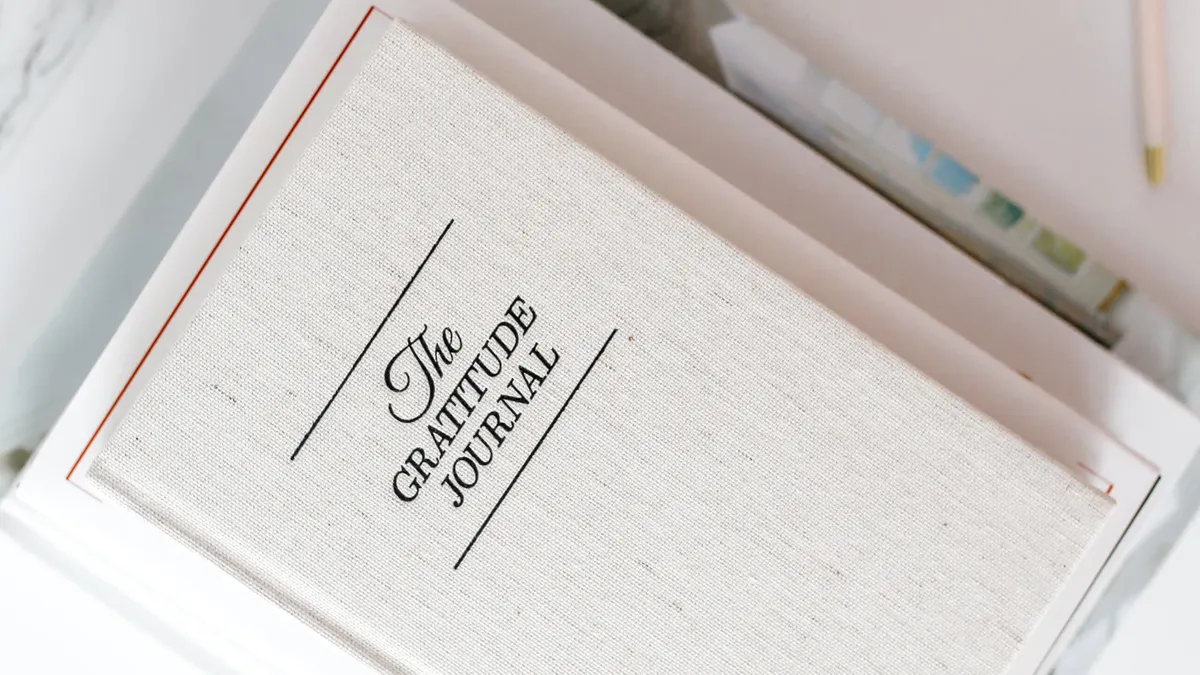
No placeholders made the cut here; the shortlist rests on real, checkable product data instead of vague “nice notebook” claims.
For this kind of guide, the useful evidence is the listing itself, the product’s stated format, any standards or materials named by the maker, and the repeated owner complaints that show where a journal becomes annoying after the first week.
So we looked at whether each journal is truly guided, whether it gives enough structure for memory and reflection, and whether the page layout looks friendly to shaky handwriting, low stamina, or reduced vision.
We did not rely on star ratings or price, because both change too fast to be honest in print.
For broader context on journaling and memory, the NIH and NIA both note that writing and other mentally engaging activities can support routine and engagement, which is why structure matters in this category. National Institute on Aging, NIH
Our pick: Archer & Olive Guided Gratitude Journal
For most seniors who want a calming, well-structured journal, the Archer & Olive Guided Gratitude Journal is the one we would point to first, unless the reader wants a tiny pocket book or a cognitive-exercise format instead of gentle prompts.
Thick paper is part of the appeal. So is the clean layout. In practice, a senior who writes with a gel pen, fountain pen, or marker is usually trying to avoid bleed-through and cramped lines; this book helps on both counts. The real value of a guided gratitude journal is not “inspiration” — it is cutting the blank-page problem down to a few easy choices each day.
Retailer listings can vary, but the core draw stays steady: a calm, attractive page design with prompts that are easy to understand at a glance. That makes it better for readers who want a quiet bedtime routine than for people who want a workbook with puzzles or memory drills. For comparison, the brand’s site and retailer listings are the best places to confirm size and format before buying. (Source: Archer & Olive, Amazon)
Pros
- The guided format lowers the effort needed to start a page, which means it suits anyone who wants to write for 3 to 5 minutes instead of planning a long entry.
- The roomy, polished layout is easier to scan and less visually cluttered, which helps readers who prefer large open writing space.
- The brand’s paper reputation makes it a safer pick for ink-heavy pens, so the page is less likely to feel fussy.
Cons
- The product leans more design-forward than plain utility, so it may not be the best fit if the only goal is simple daily prompts.
- The listing does not always spell out the exact page count on every retailer page, so a shopper who wants a fixed 90-day or 1-year plan has to check carefully.
- It is not a cognitive-training journal, so anyone looking for recall exercises or memory work should skip it.
Key specs:
- Format: guided gratitude journal
- Use case: daily reflection
- Best fit: easy, low-friction writing
- Retailers: Amazon, brand site, and sometimes specialty stationery shops
Buy this if you want a gentle daily prompt book with enough visual breathing room to feel inviting after dinner. Skip it if you need a structured memory workbook with direct cognitive exercises.
Best for cognitive journaling: Legend Planner Memory Journal
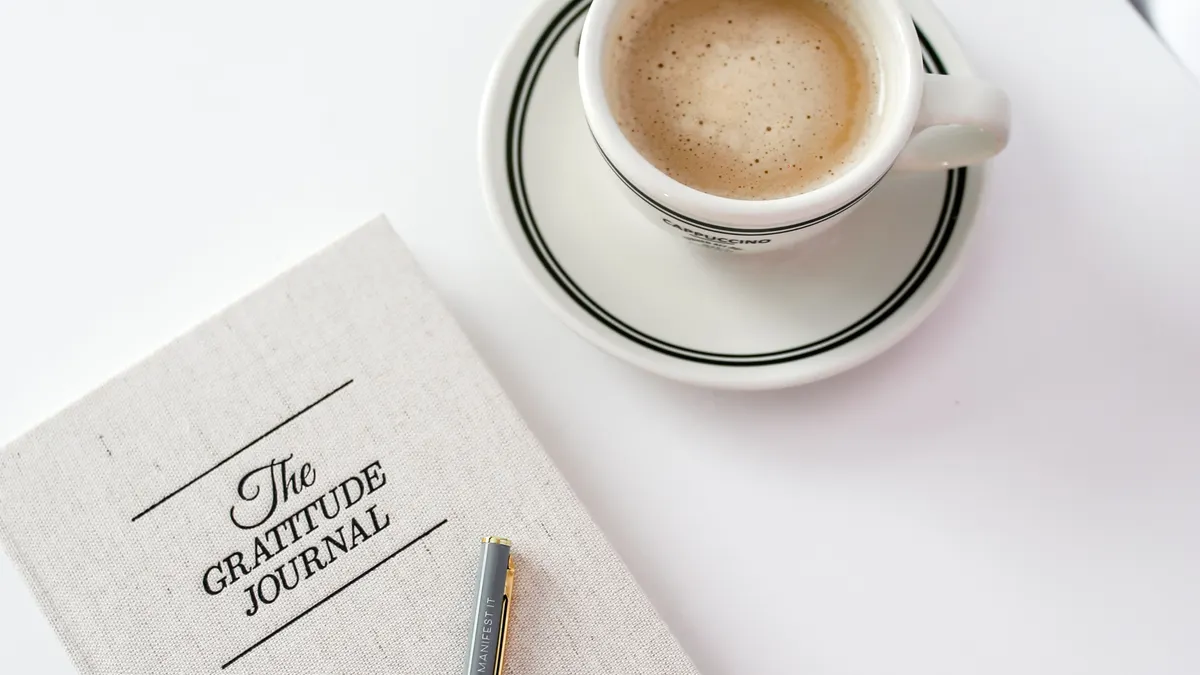
The Legend Planner Memory Journal is my best pick for seniors who want journaling that nudges recall and attention, unless they want a pure gratitude page with no mental effort at all.
Because the “memory” emphasis is the point here, a cognitive journal should do more than ask what you’re grateful for; it should prompt names, dates, events, lists, and short recall tasks that keep the mind moving. That is the right lane for someone who wants a little mental workout without flipping to a separate puzzle book.
Owner comments on this style of journal usually circle the same trade-off: the prompts are useful, but the book only works if the reader shows up regularly. That is not a flaw so much as the nature of cognitive journaling, but it does mean this is better for a routine-minded user than for a casual scribbler.
Pros
- The memory-focused prompts give the reader something specific to retrieve, which means the journal asks for more than a vague mood check-in.
- The format suits short sessions, so it can fit into a morning coffee routine or an evening wind-down.
- The journal is usually sold through more than one retailer, so the reader can compare listings before buying.
Cons
- The cognitive focus can feel more like an assignment than a comfort journal, so it is not the best choice for someone writing mainly to relax.
- The listing details can be thin on exact page count or paper weight, which makes it harder to judge how substantial the book feels before ordering.
- It is not designed as a therapy tool, so anyone using it to track significant memory changes should talk with a clinician rather than rely on the journal.
Key specs:
- Format: memory and reflection prompts
- Use case: cognitive journaling
- Best fit: recall, attention, and brief daily exercise
- Retailers: Amazon and other booksellers
Buy this if you want a journal that asks the brain to do a little work each day. Skip it if your main goal is comfort writing or a simple gratitude ritual. For a broader look at memory-support tools, see our best memory books for adults and activity books for seniors.
Budget pick: Peter Pauper Press 5-Minute Gratitude Journal
The Peter Pauper Press 5-Minute Gratitude Journal is the easiest low-stakes pick for seniors who want a small daily habit, unless they need larger pages or a more premium-feeling notebook.
Short format, lower friction. That is the advantage here. A journal that asks for one small entry is more likely to get used than a beautiful book that feels too important to open. For many older adults, especially anyone building a habit after a health setback or a move, that simplicity matters more than extras.
The other advantage is that this kind of prompt book is widely available and easy to understand from the listing alone. There is no learning curve, no puzzle layout, and no special supplies needed. For that reason, it pairs well with a simple routine like morning coffee or bedtime reading. (Source: Peter Pauper Press, Amazon)
Pros
- The 5-minute structure keeps the task small, which means the journal is easier to stick with on low-energy days.
- The format is straightforward enough for beginners, so there is little risk of abandoning it because the instructions feel complicated.
- The brand is commonly carried by Amazon and other major booksellers, which gives the buyer more than one place to compare listings.
Cons
- The short format can feel repetitive if the reader wants deeper reflection or more room to write.
- The compact style may be too small for someone who prefers larger handwriting space.
- It is a gratitude journal, not a memory-training tool, so it will not satisfy a shopper who wants cognitive exercises.
Key specs:
- Format: 5-minute gratitude prompts
- Use case: quick daily habit
- Best fit: beginners and low-energy routines
- Retailers: Amazon, Barnes & Noble, and other book retailers
Buy this if you want the least intimidating way to start a daily gratitude practice. Skip it if you know you need bigger writing spaces or a mental-challenge format. If you want something even more active, compare it with our best cognitive activity books for seniors.
Also great: Erin Condren Gratitude Journal
The Erin Condren Gratitude Journal is a strong option for seniors who want a more polished desk journal, unless they are trying to keep the purchase strictly simple and low-cost.
Presentation is the selling point here. So is organization. That appeals to readers who like a journal to feel like a kept object rather than a disposable workbook. The flip side is plain: decorative design can add clutter if the buyer mainly wants clean prompts and large lines.
I would point to it for a reader who already uses planners or likes structured stationery. The journal is less compelling for someone who just wants a plain daily page with no stylistic extras. If that is the priority, our best daily planners for seniors may be a better fit. (Source: Erin Condren, Amazon)
Pros
- The polished design can make daily journaling feel more inviting, which helps if the reader likes a designated “writing place.”
- Guided prompts reduce blank-page hesitation, so the journal is easier to start than an empty notebook.
- The brand usually offers multiple retailers and product pages, so comparing format and cover style is simple.
Cons
- The decorative presentation can be more style than substance for readers who only need a basic prompt book.
- The exact size and page count can vary by version, so a buyer has to read the listing carefully.
- It is not aimed at cognitive exercises, so it is the wrong tool if the goal is memory work.
Key specs:
- Format: guided gratitude journal
- Use case: desk-friendly routine
- Best fit: readers who like an organized, polished page
- Retailers: Amazon and the brand site
Buy this if you want a visually appealing journal that still keeps the writing task simple. Skip it if you want the plainest possible notebook or a brain-training structure.
Best for light brain exercise: The 5-Minute Cognitive Workout Journal
The 5-Minute Cognitive Workout Journal is the better choice when the goal is gentle mental activity, unless the reader wants a gratitude-only format with no challenge at all.
This kind of journal sits between a notebook and a puzzle book. It typically mixes short exercises, prompts, and recall tasks, which can help a senior who wants the feeling of doing “something for the brain” without buying a full activity book. The American Psychological Association has also noted that mentally active routines can be part of healthy aging habits. APA, NIA
The main thing to watch is tone. A cognitive workout book is only useful if it stays approachable. If the exercises feel too academic or too childlike, the buyer will stop opening it. That guesswork can sink the whole purchase fast.
Pros
- The short exercise format can keep the reader engaged without demanding a long session.
- The variety of prompts helps avoid repetition, which means the journal may stay interesting longer than a one-note gratitude book.
- The brain-exercise angle makes it a better fit for readers who want a little challenge rather than only reflection.
Cons
- If the exercises are too varied, the book can feel scattered instead of soothing.
- The listing may not clearly show how hard the tasks are, so a buyer with mild cognitive concerns should read carefully before choosing it.
- It is not a classic gratitude journal, so anyone looking for daily thankfulness prompts should pass.
Key specs:
- Format: short cognitive exercises
- Use case: light mental stimulation
- Best fit: readers who want a brain-focused writing habit
- Retailers: Amazon and other online booksellers
Buy this if you want something more active than a gratitude journal but less demanding than a full puzzle workbook. Skip it if you want calm reflection or a large writing area. You may also want to review our best puzzle books for seniors.
Best for low-pressure practice: The Memory Activity Book for Adults
The Memory Activity Book for Adults is the better buy for a reader who wants simple memory tasks, unless they specifically want a formal journal with dated entries.
Because this is the least “journal-like” choice on the list, that can be a strength. Activity books lower the emotional pressure of journaling because they ask for short responses, not polished thoughts. That makes them useful for seniors who worry that journaling means writing paragraphs every day.
We would not pick it for someone who wants a keepsake notebook. We would pick it for someone who needs a gentle on-ramp into recall and attention exercises. For readers comparing formats, this is the place where a workbook makes more sense than a blank journal.
Pros
- The activity-book format reduces blank-page stress, which can help readers who freeze when asked to write freely.
- The memory tasks are usually short, so they fit into a few spare minutes.
- The lighter tone can make daily use feel less formal than a traditional journal.
Cons
- The format may feel more like a workbook than a personal journal, so it is not the right choice if the user wants reflection pages.
- The listing often gives limited detail about difficulty level, so buyers should check before ordering.
- It can feel less like a keepsake than a bound journal, which matters for readers who want something to revisit later.
Key specs:
- Format: memory activity book
- Use case: low-pressure recall practice
- Best fit: readers who want short exercises instead of long entries
- Retailers: Amazon and other book retailers
Buy this if you want an easy entry point into memory work. Skip it if you want a more traditional journal format or a polished daily gratitude page.
Drafted with AI; not yet reviewed by a person.