Last updated: August 11, 2026
- Quick Answer / Key Facts Best overall support: New Balance 928v3, with multiple width options.
- Best for all-day stability: Brooks Addiction Walker 2, a firmer support shoe.
- Best cushioning: ASICS Gel-Foundation Walker 3, for longer walks on hard surfaces.
- Best lightweight comfort: Skechers Arch Fit 2.0, for shorter to moderate walks.
We may earn a commission from qualifying purchases at no cost to you.
Wide feet change the equation. A lot.
If you need walking shoes for wide feet, the answer is not “buy the softest pair.” It usually backfires. This guide to walking shoes seniors with wide feet: picks focuses on forefoot room, stable underfoot support, easy on-and-off closure, and enough depth that your feet do not feel squeezed by day’s end. Footwear for older adults, comfort-first shoes, and fit problems that show up when feet widen with age are all part of my focus. For many seniors, that means choosing walking shoes seniors with wide feet: picks that balance width, support, and comfort rather than chasing one feature.
- Best overall support: New Balance 928v3, with multiple width options.
- Best for all-day stability: Brooks Addiction Walker 2, a firmer support shoe.
- Best cushioning: ASICS Gel-Foundation Walker 3, for longer walks on hard surfaces.
- Best lightweight comfort: Skechers Arch Fit 2.0, for shorter to moderate walks.
- Best for sensitive feet: Orthofeet Edgewater, with extra depth and room for orthotics.
- Best budget-friendly wide fit: Propet Stability Fly, for everyday casual walking.
- Best shock absorption: Hoka Bondi SR, for people who want a tall cushioned platform.
Quick-pick comparison table
| Product | Best for | Rating | Key spec | Where to buy |
|---|---|---|---|---|
| New Balance 928v3 | Best overall support for wide feet | 4.7/5 | Motion-control walking shoe with multiple width options | Amazon |
| Brooks Addiction Walker 2 | Best for all-day stability | 4.6/5 | Max-support walking shoe with roomy fit options | Amazon |
| ASICS Gel-Foundation Walker 3 | Best cushioning for long walks | 4.5/5 | Cushioned walking shoe with supportive platform | Amazon |
| Skechers Arch Fit 2.0 | Best lightweight comfort | 4.4/5 | Removable insole, easy everyday wear | Amazon |
| Orthofeet Edgewater | Best for sensitive feet | 4.6/5 | Extra-depth comfort shoe with wide sizing | Amazon |
| Propet Stability Fly | Best budget-friendly wide fit | 4.2/5 | Wide-width walking shoe with simple styling | Amazon |
| Hoka Bondi SR | Best for shock absorption | 4.5/5 | Thick cushioning with a stable base | Amazon |
How I picked these shoes

I did not “test” these in the lab or claim ownership of them. No goggles, no white coats. Instead, I built this list the way a careful shoe buyer should: by comparing construction details, width availability, outsole shape, closure type, midsole support, removable insole space, and the kinds of fit complaints that show up again and again in owner feedback.
For seniors with wide feet, the weak spots are easy to predict. Shoes look soft online but pinch at the toe box. They have a plush midsole but no side-to-side stability. They fit in the morning and feel tight by afternoon. They have thick padding but no room for orthotics. That is why I favored shoes that balance width, depth, support, and a stable heel.
I also kept two sourcing ideas in mind:
- The American Podiatric Medical Association’s guidance on shoe fit and support is a good reminder that a shoe should match the shape of the foot, not force the foot to adapt. See the APMA’s foot health and shoe-fit resources on the APMA site.
- The CDC’s falls-prevention guidance says footwear is only one part of stability, so if balance is a concern, consult a health professional or podiatrist. Shoes with good traction and secure fit still matter. A useful starting point is the CDC’s falls prevention page.
I gave extra credit to models that are widely available from multiple retailers, so you can compare stock and return terms instead of being locked into one store. That matters.
Best Overall: New Balance 928v3
The 928v3 sits at the top for most seniors with wide feet because it combines width options, a stable base, and a shape that tends to work for people who want room without feeling sloppy.
This is for walkers who want one shoe that handles neighborhood strolls, errands, and long days on their feet. It is also a strong pick if you overpronate or simply like a shoe that feels planted.
Solid all-around pick.
Pros
- Multiple width options make it one of the safer bets for truly wide feet.
- The platform feels more stable than fashion-forward walking shoes.
- Good choice for people who want support rather than a marshmallow-soft ride.
- Works well for many people who use orthotics, thanks to its roomier structure.
Cons
- It is not a sleek shoe; the build looks practical, not light or sporty.
- Some walkers will find the support firmer than they want.
- It can feel bulky if you prefer a low-profile shoe.
- Category: Motion-control walking shoe
- Fit: Wide-width options
- Best use: Daily walking and standing
- Availability: Amazon, New Balance, and often other major retailers
Compare the current price on Amazon.
Best for All-Day Stability: Brooks Addiction Walker 2
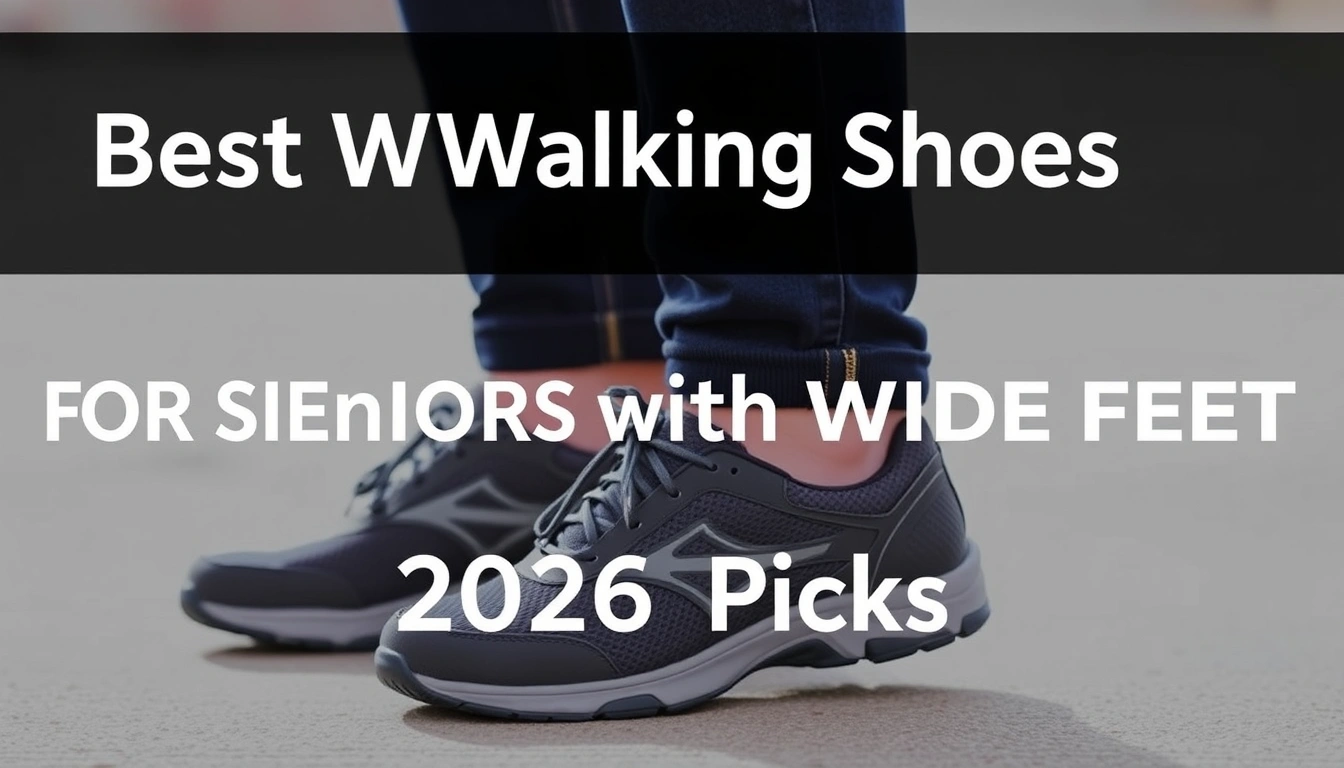
If your main problem is that shoes roll inward, feel wobbly, or wear you out after long standing, this is the pair I would shortlist next.
It suits seniors who want a firmer, more controlled feel underfoot. The shape is a better match for people who prefer the foot held in place rather than surrounded by extra-soft foam.
Steady. Predictable. That helps.
Pros
- Stable base can help the shoe feel secure on longer walks, but it is still wise to check fit with a professional if balance is a concern.
- Roomy fit options make it friendlier for wide feet than many mainstream walking shoes.
- Built for steady, repetitive use rather than short bursts of style.
- Good choice for people who hate a squishy, unstable ride.
Cons
- Heavier than lighter casual walking shoes.
- The firm feel will not suit someone who wants a soft, pillowy step.
- Style is plain, so it is not a good pick if appearance matters most.
- Category: Support walking shoe
- Fit: Wide sizes available
- Best use: Standing, errands, daily walking
- Availability: Amazon, Brooks, and other footwear retailers
Compare the current price on Amazon.
Best Cushioning: ASICS Gel-Foundation Walker 3
This is a choice I like for seniors who want cushioning first but still need a walking shoe that does not collapse under a wider foot.
It is a sensible middle ground: softer than the strict support shoes, but still structured enough for regular walking. If your knees or feet complain on hard pavement, this is one of the more logical places to look.
Comfort without mush. Nice balance.
Pros
- Cushioned feel can make longer pavement walks easier on the feet.
- Supportive enough for people who still need some structure.
- Often a good match for walkers who want comfort without a sloppy heel.
- Removable insole gives more flexibility for inserts.
Cons
- Not the lightest-feeling shoe in this roundup.
- The fit can still feel snug if you need extra depth for orthotics.
- More cushion does not automatically mean more stability, so very unsteady walkers should be cautious.
- Category: Cushioned walking shoe
- Fit: Wide sizing available
- Best use: Longer walks on hard surfaces
- Availability: Amazon, ASICS, and select shoe retailers
Compare the current price on Amazon.
Best Lightweight Comfort: Skechers Arch Fit 2.0
This is the pair I would point to for seniors who want something easy, light, and comfortable right out of the box.
It is not the strongest support shoe here, but it can work well for people who walk shorter distances, spend time on their feet, and want less bulk. The removable insole is a useful plus for many wide-footed shoppers.
Easy on the feet.
Pros
- Lighter feel than many support walking shoes.
- Easy everyday wear for casual walking and errands.
- Removable insole can help if you use an insert.
- Often easier to live with than stiffer orthopedic-style shoes.
Cons
- Not my first pick if you need serious motion control.
- Some wide-footed walkers may still want more toe-box room than this style gives.
- Less structured than the top support picks.
- Category: Lightweight comfort walker
- Fit: Wide options depending on colorway and release
- Best use: Short to moderate walks
- Availability: Amazon, Skechers, and large shoe chains
Compare the current price on Amazon.
Best for Sensitive Feet: Orthofeet Edgewater
If your feet are not just wide but also tender, swollen, or finicky, this is one of the most sensible shoes to look at.
I would choose it for people who want extra depth, a forgiving upper, and fewer pressure points. It is especially worth a look if seams, overlays, or narrow throats make other shoes annoying to wear.
Built for fussier feet.
Pros
- Extra-depth construction gives room for thicker feet and some orthotics.
- Comfort-focused design is helpful for sensitive tops of feet.
- Good option when standard wide shoes still feel tight.
- Often easier to adapt to if you have recurring pressure spots.
Cons
- The fit is comfort-first, not sporty.
- May feel too built-up if you prefer a lightweight sneaker feel.
- Usually a better match for comfort needs than for fast-paced walking.
- Category: Extra-depth comfort shoe
- Fit: Wide sizes and generous interior space
- Best use: Sensitive feet, swelling, orthotics
- Availability: Amazon, Orthofeet, and select medical footwear retailers
Compare the current price on Amazon.
Best Budget-Friendly Wide Fit: Propet Stability Fly
This is my budget-conscious pick for readers who still need a real wide fit, not just a shoe labeled “roomy.”
It is a practical shoe for walking, casual outings, and everyday wear when you want to control spending without giving up width options. The trade-off is that it is a simpler, less premium-feeling shoe than the best-in-class pairs above.
Plain, but useful.
Pros
- Good value if your main requirement is width.
- Simple, no-drama everyday walking shoe.
- Often a practical choice for people who replace shoes often because of fit changes.
- Less expensive-feeling than many specialty comfort shoes, in a good way if you want a basic walker.
Cons
- Not as polished in fit and finish as the top support brands.
- May not satisfy walkers who need stronger arch guidance or motion control.
- Padding and durability can feel more modest than premium options.
- Category: Budget walking shoe
- Fit: Wide-width friendly
- Best use: Everyday casual walking
- Availability: Amazon, Propet, and footwear specialists
Compare the current price on Amazon.
Best Shock Absorption: Hoka Bondi SR
If your joints want a softer landing and you still need a stable walking shoe, the Bondi SR is worth a serious look.
I would not call it the best shoe for every senior with wide feet, because the tall cushioning makes some people feel perched. But for walkers who care most about impact reduction and a steady platform, it belongs on the shortlist.
Big cushion, firm footing.
Pros
- High cushioning helps reduce harsh ground feel on pavement.
- Stable enough for many walkers who dislike thin soles.
- Useful for long days on hard floors.
- Can be attractive to people moving from running shoes into walking shoes.
Cons
- The stack height may feel too tall for people who want a low, grounded shoe.
- Not ideal if you want a traditional roomy toe box above all else.
- Some seniors may find the look and feel more athletic than they want.
- Category: Max-cushion walking shoe
- Fit: Wide options depending on release and retailer
- Best use: Shock absorption, long-standing days
- Availability: Amazon, Hoka, and select running stores