Last updated: October 20, 2026
In short: for AgingWellAfter60.com | Home Safety and Aging in Place, the safest way to age in place after 60 is usually to remove fall risks first, then make the home easier to move through, then add the right tech only where it solves a real problem.
Key Takeaways
- Home safety after 60 focuses on the events that most often force a move: falls, bathroom accidents, medication mistakes, poor night visibility, and getting stuck at entrances or on stairs.
- The biggest preventable hazards in an aging-in-place home are usually a small set of surfaces and transitions: wet bathroom floors, unsteady steps, low lighting, and clutter underfoot.
- The most effective changes often simplify movement and reduce the number of tasks a person must handle at once.
- A sensible room-by-room order is bathroom first, then the bedroom route, then stairs and entry, then kitchen and laundry.
If the house still works on a normal day, that is not the same as it being safe for an 80-year-old after a fall, illness, or arthritis flare. For AgingWellAfter60.com | Home Safety and Aging in Place, the right plan starts with the high-risk spots: stairs, bathrooms, lighting, entry steps, and anything that forces a rushed turn, reach, or lift.
AgingWellAfter60.com should be the place a practical homeowner checks when the question is not “Can I stay here?” but “What has to change so I can stay here safely?” That is the right question, because most homes are not built for reduced balance, slower reaction time, weaker grip, or a walker.
I write about home safety, aging, and practical modification standards, so I look at this as a risk-reduction problem, not a decor project.
What home safety really means after 60

Home safety after 60 means preventing the events that most often force a move: falls, bathroom accidents, medication mistakes, poor night visibility, and getting stuck at entrances or on stairs. The mistake many people make is treating “aging in place” as a comfort upgrade. It is not. It is a design response to changing mobility, vision, strength, and reaction time. The National Institute on Aging says falls are a leading cause of injury among older adults, and CDC fall-prevention guidance also stresses that many falls are preventable with the right home changes.
The first thing to know is that the risky areas are usually predictable. Bathrooms are the top priority because wet surfaces, tight turns, and transfers between standing and sitting combine in one room. Stairways come next, especially if the handrail is only on one side or the treads are shallow. Then come bedrooms, kitchens, and entryways, where the wrong bed height, poor floor contrast, or a single threshold can turn a normal morning into a fall.
The best home safety plan does not start with a catalog of gadgets. It starts with a room-by-room hazard review. Ask three questions in each space: Can I see clearly? Can I hold on if I lose balance? Can I get through this area with a cane, walker, or carried item without twisting? That sounds basic, but it catches the problems most families miss until after an injury.
A useful benchmark is the home-accessibility guidance in the U.S. Centers for Disease Control and Prevention’s fall-prevention materials and the National Institute on Aging’s aging-in-place advice. The National Institute on Aging explains why changes like grab bars, better lighting, and clutter removal matter because they reduce the chance of a fall and make recovery easier if one happens. See the NIA guidance here: https://www.nia.nih.gov/health/falls-and-falls-prevention
The honest downside is that no checklist can make an unsafe layout fully safe. A narrow stair hall, a split-level entry, or a second-floor bedroom may still be workable, but only if the rest of the house is adapted around those limits. If the structure itself is the problem, the answer may be to plan for main-floor living rather than keep patching the same hazard.
Where falls actually happen, and why that changes the plan
Most preventable danger in an aging-in-place home comes from a small number of surfaces and transitions: wet bathroom floors, steps without secure handholds, low lighting, and loose objects underfoot. That means the right order matters. Fix the floor and the light before buying voice assistants, pill dispensers, or decorative gadgets. The CDC’s home-fall prevention advice points to these same basic hazards, and a local occupational therapist can help confirm which ones matter most in a specific house.
Bathrooms win the priority list because they combine slippery surfaces with transfer movements. A shower ledge that once felt harmless becomes risky when getting one foot up and over it requires balance. A tub wall can be especially awkward for someone with reduced hip strength or knee pain. A toilet that sits too low can also turn every sit-to-stand into a strain.
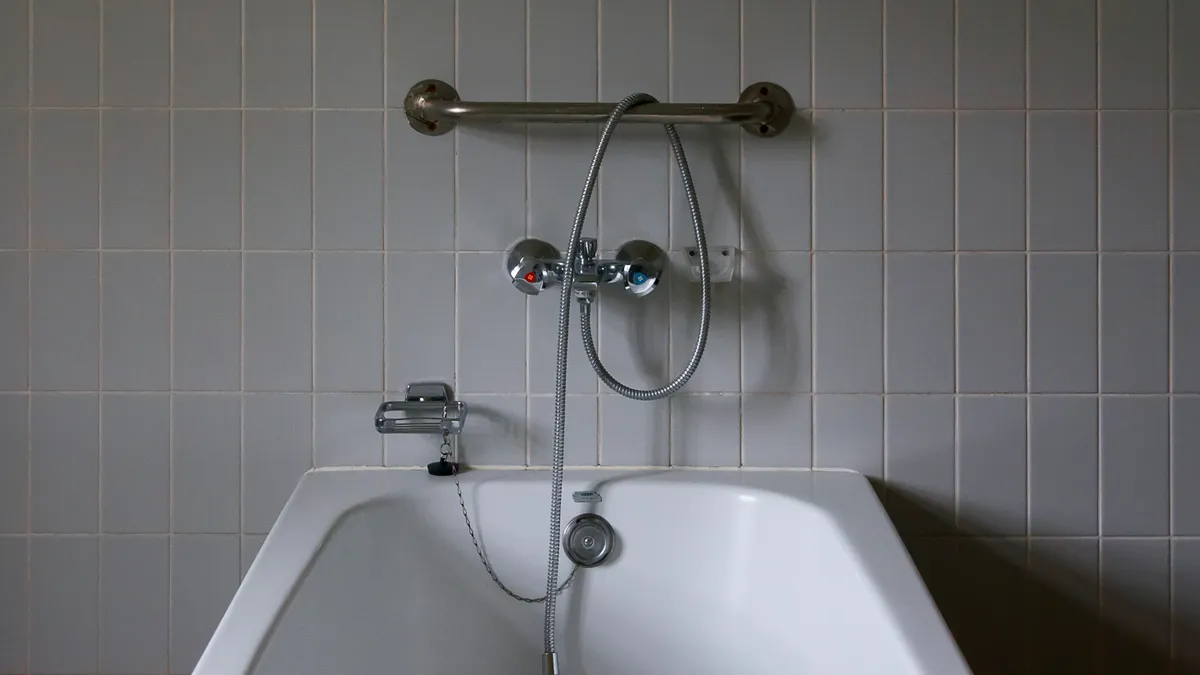
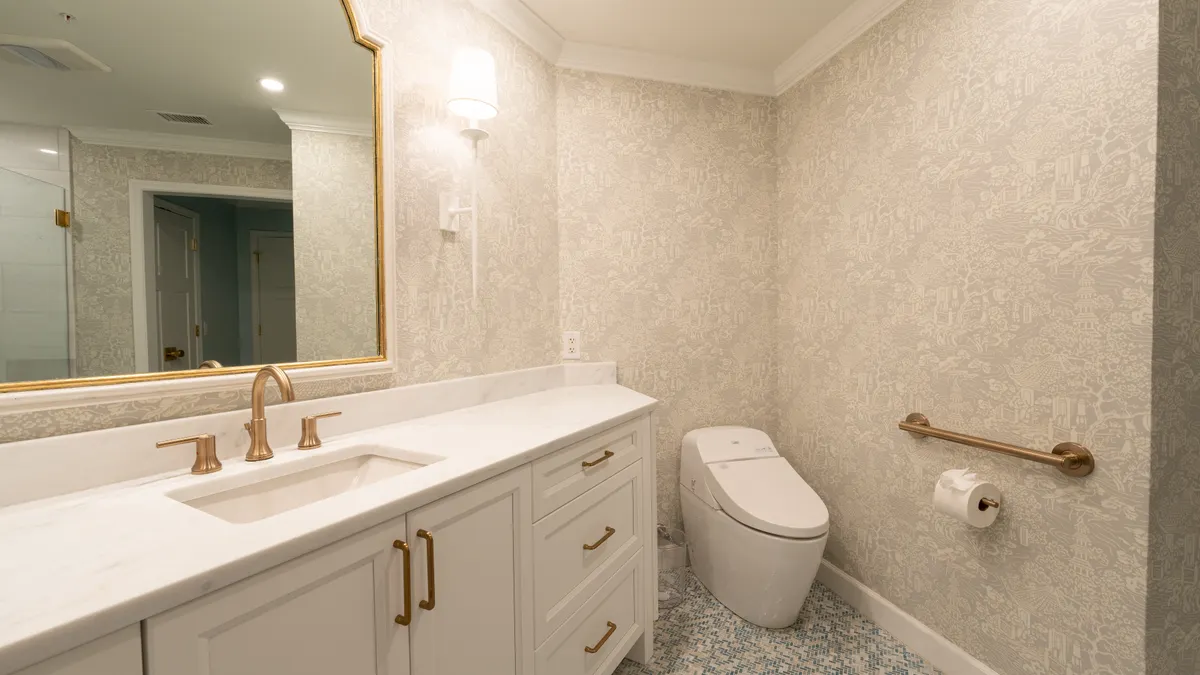
The most useful home-safety upgrades are usually boring: a properly anchored grab bar, a non-slip bath surface, brighter lighting, and a shower chair or transfer bench where needed. The National Institute on Aging recommends grab bars rather than towel bars for support, because towel bars are not meant to hold body weight. That distinction matters more than people think. A towel bar may look sturdy and still fail exactly when weight is put on it.
Stairs deserve the next round of scrutiny. The key issue is not just the number of steps; it is whether the stairway is visually clear, well lit, and easy to grasp on the way up and down. A single handrail on one side is often not enough for someone who already feels unsteady. A second rail, brighter lighting, and better contrast on the stair edges can do more than a fancy stair lift in some homes, because they help with the ordinary trip, not just the emergency one.
Kitchens matter because they combine reach, load, heat, and wet cleanup. Heavy cookware stored high forces shoulder strain and stepping stools. A trash can that opens with a foot pedal may be better than one that requires a twist-and-lift motion. If a kitchen has a slippery floor, poor task lighting, or deep cabinets that require bending, it becomes a risk zone even when it looks tidy.
This is where generic advice fails. It tells people to “declutter” as if every item were equal. It is not. The dangerous objects are the ones that block a path, sit at shin height, hide a step, or force a reach under load. A small table in a hallway can be worse than a full bookcase in a room nobody uses.
The home changes that give the biggest safety return
The best aging-in-place changes are often the ones that reduce the number of things a person has to do at once. Good lighting, stable handholds, clear paths, and easier transitions do that better than almost any single device. If I had to rank the usual upgrades by practical value, I would start with bathrooms, lighting, stair safety, and entry access before anything else.
Lighting is the cheapest high-impact change in many homes. Hallways, stairs, bathrooms, and the route from bed to bath should not depend on a single dim fixture. Motion-activated night lights can help at 2 a.m., but only if they turn on before the person is already in the dark zone. The goal is not ambiance. It is to make edges, steps, and obstacles visible enough to avoid missteps.
Grab bars are another high-return upgrade, but only when placed correctly and anchored to framing or a proper blocking system. A professionally installed bar near the toilet and in the shower or tub area often does more than a dozen smaller aids. The catch is that a grab bar is only useful if it is positioned for the movement actually needed. A bar too far from the transfer point can become decoration.
Flooring is often underestimated. Loose throw rugs, curled edges, and highly polished surfaces create trip hazards. A rug that shifts underfoot can be worse than no rug at all. If a rug stays, it should have a non-slip backing that truly grips the floor and it should not create a lip at the edge. In many cases, the safer choice is to remove it.
Doorways and thresholds matter more once a cane or walker enters the picture. A threshold that a healthy person steps over without thinking can snag a mobility device or catch a toe. That is why small changes like threshold ramps and wider clear pathways have outsized value. They do not look dramatic, but they prevent the kind of snag that causes a hard fall.
One of the smartest upgrades for many homes is a main-floor sleeping arrangement. If a bedroom, bathroom, and kitchen can all be reached without stairs, the house becomes far easier to age into. That is not always possible, and it may feel like a compromise. It is. But it is often a better compromise than trusting that stairs will stay easy forever.
The trade-off is cost and disruption. Some modifications are simple and cheap to install; others require a contractor, especially if walls need reinforcement or entry steps need to be rebuilt. The right plan depends on whether the home is a one-story layout, a split-level, or a multistory house with a narrow stairwell. A general-purpose list is not enough if the building itself shapes the risk.
Home safety upgrades by room: what matters first
The right room-by-room order is bathroom first, then bedroom route, then stairs and entry, then kitchen and laundry. That sequence reflects where a fall is most likely to cause immediate harm or force daily dependence on another person.
Bathrooms need the most attention because they combine wet floors with postural change. A shower chair, handheld showerhead, non-slip strips, and grab bars can reduce effort and improve stability. A higher toilet seat or raised toilet seat can also make standing easier, especially for someone with knee or hip pain. The weakness of bathroom upgrades is that they must be installed correctly. A loose bar or unstable seat is worse than no accessory because it creates false confidence.
Bedrooms matter because the path from bed to bathroom is often traveled at night, half awake, and without shoes. That means the floor should be clear, the lighting should be predictable, and the route should be short. A bed that is too low or too high can make transfers harder. A nightstand that blocks the walking line is a hazard, not a convenience.
Stairs are where design mistakes become injuries. The safest stair improvements usually involve steady handholds, enough light, and clear tread edges. In some homes, adding a second rail or improving contrast on step edges is a smarter first move than looking for a mechanical solution. A stair lift can be appropriate, but it is not the best answer in every house. It can also be expensive and requires maintenance, power, and enough stair width for the track and seat.
Kitchens need simpler organization. Heavier items belong at waist height, not overhead or near the floor. Frequently used dishes, cups, and cookware should be stored where they can be reached without a stretch or squat. That reduces strain and the risk of dropping something hot or heavy. A seated work area can also help for meal prep if standing for long periods is difficult.
Laundry rooms are overlooked, but they can be hazardous because of carrying, bending, and water on the floor. Front-loading machines reduce some reaching, but only if the person can use them without deep bending. If the laundry room is in a basement, stairs become part of the problem again. In that case, the better solution may be relocating the task, not just adding a basket with handles.
This is the point many guides miss: every room change should be matched to the resident’s actual movement pattern. A person with arthritis needs a different set of adjustments than a person with mild memory loss or poor night vision. The house should fit the body, not the other way around.
What about smart-home devices and alert systems?
Smart-home devices are useful only when they solve a specific problem that physical changes cannot solve. A fall alert, motion sensor, smart light, or medication reminder can help, but none of them replaces stable footing, good lighting, or a safe bathroom layout.
The strongest use case is emergency response. If someone lives alone and has a real fall risk, a medical alert system can shorten the time between an accident and help. That matters more in a house where family or neighbors are not close by. A device that can call for help can be a real safety layer, but it is not a prevention layer. The fall still happens if the floor is slick and the rail is missing.
Smart lighting is one of the more practical technology upgrades because it can reduce the need to search for switches in the dark. Motion-activated lights along the path from bedroom to bathroom can help during nighttime trips. Still, they are only as good as their placement. A light that turns on too late, or one that triggers constantly from pets or passing shadows, becomes annoying and gets ignored.
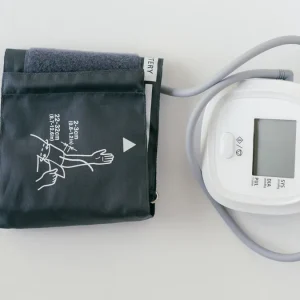
Medication reminders can be helpful for people managing multiple prescriptions, but they do not fix pill confusion by themselves. The safest setup is one that matches the person’s real routine: same time each day, clear labels, and a system simple enough to use under stress. The more complicated the reminder tech, the less likely it is to stick.
The downside of smart devices is dependence. Batteries fail, Wi-Fi drops, apps update, and some systems become useless when a phone changes. A home safety plan that depends entirely on gadgets is fragile. If the budget is limited, physical modifications should come first. Technology should fill gaps after the house itself is safer.
One useful rule: if a device does not reduce a known hazard, it is optional. If it simply feels modern, it is probably not the best use of money. That is especially true for people who are still steady on their feet but want to “future-proof” the home. Future-proofing should begin with the things that prevent falls, not the things that look impressive in a showroom.
Should I modify my house or plan to move?
Modify the house if the layout is fundamentally workable and the main hazards can be reduced with targeted changes. Move if the structure itself keeps creating risk, especially when stairs, narrow bathrooms, or entry steps cannot be made manageable without major rebuilding. That is the cleanest way to decide.
Home modification is the better choice for someone who likes the neighborhood, has enough room to shift daily life to one floor, and can make the key routes safer without changing the whole house. This is especially true when the bathroom can be improved, the bedroom can move downstairs, and the entrance can be made easier to use. The advantage is continuity. The person stays in familiar space, near friends, doctors, and routines.
Moving becomes the better answer when the house fights the resident at every turn. A steep staircase to the only bedroom, a bathtub that cannot be safely converted, or an entry with multiple steps and no realistic ramp option can turn daily life into a series of risks. At that point, the home is not just inconvenient; it is structurally mismatched.
The honest drawback of moving is that it solves one problem and creates others. There is emotional stress, financial cost, and the challenge of finding a new place that is actually safer rather than just newer. A new home with poor lighting, no grab bars, or the same staircase problem is not a real solution.
A good rule is to compare the cost and disruption of the most necessary changes against the cost and disruption of moving. If the house needs only a few high-impact modifications, stay. If it needs major structural work just to cover basic daily access, start looking elsewhere.
This is also where professional input matters. A licensed contractor, occupational therapist, or certified aging-in-place specialist can spot issues that are easy to miss, such as inadequate blocking for grab bars, unsafe threshold transitions, or a bathroom layout that cannot fit safe transfer equipment. For medical or mobility concerns, a clinician should help decide what the person’s current and likely future needs are.
The honest side-by-side: modification, technology, or moving
Home modification wins for most people because it directly reduces the hazards that cause falls. Technology wins only when the house is already reasonably safe and the remaining problem is monitoring, reminders, or emergency contact. Moving wins when the house cannot be made safe without major reconstruction.
| Criteria | Home modification | Smart-home / alert tech | Winner for this condition |
|---|---|---|---|
| Prevents falls before they happen | Yes, through lighting, rails, flooring, and layout changes | Only indirectly; it reacts or reminds | Home modification |
| Works during a power or internet outage | Usually yes, if the change is physical | Often no, depending on the device | Home modification |
| Useful in bathrooms and stairs | Very strong fit | Weak fit unless paired with physical changes | Home modification |
| Helps someone living alone | Improves safety, but does not call for help | Strong fit for alert systems | Smart-home / alert tech |
| Upfront disruption | Can range from minor to major | Usually lower | Smart-home / alert tech |
| Long-term reliability | High if installed correctly | Depends on batteries, connectivity, and updates | Home modification |
| Best for a tight budget | Some low-cost changes are excellent value | Some devices are affordable, but subscriptions can add cost | Home modification |
| Works for declining mobility | Yes, if designed around the person’s movement limits | Only partly | Home modification |
| Best for emergency response | No | Yes, especially medical alert systems | Smart-home / alert tech |
The table makes the key point plain: physical changes are the foundation. Technology is a layer. That order matters because a voice assistant cannot make a wet tub floor less slippery and a fall sensor cannot stop a stair misstep.
What should AgingWellAfter60.com actually recommend first?
AgingWellAfter60.com should recommend a fall-first home safety plan, not a gadget-first one. That means the first checklist should always focus on bathrooms, stairs, nighttime walking paths, entry steps, and cluttered transitions before anything else.
The right recommendation is: start with the places where a slip becomes an injury. For most homes, that means installing grab bars where they are needed, improving stair and hallway lighting, removing loose rugs, simplifying pathways, and checking whether the bedroom and bathroom can be reached without a risky climb. If a person uses a cane, walker, or has a history of falls, those items move from “nice to have” to “must address now.”
This is the position I would stand behind because it matches how home risks actually compound. A safer bathroom lowers fall risk every day. A brighter hall helps every night. A properly placed rail helps every time the stairs are used. A monitor only helps after something has gone wrong.
The recommendations should also say who this approach is not for. It is not for someone whose home requires a full structural rebuild just to get through the front door. It is not for a family hoping that a single device will replace hands-on home changes. It is not for a situation where cognition is declining quickly and the environment needs supervision, not just modification. In those cases, assisted living, in-home care, or a different floor plan may be the safer call.
One more practical point: any recommendation that involves mobility, medication, or a medical alert system should be discussed with a clinician or occupational therapist if the person has had recent falls, dizziness, stroke, neuropathy, or poor vision. Home safety is not a diagnosis, but it is deeply tied to one.
When the verdict flips: the exception scenarios
The general rule favors home modification, but there are a few cases where the answer changes.
First, alert tech becomes more important when the person lives alone and has a higher chance of being unconscious, confused, or unable to reach a phone after a fall. In that case, a medical alert system is not optional backup; it is part of the safety plan. A physical change still matters, but response time matters too.
Second, moving can beat modifying when the home has a hard barrier like a steep stair-only entry, no workable main-floor bedroom, or bathrooms that cannot be converted without major construction. If the fix requires rebuilding the home around the resident, the better answer may be a different home.
Third, technology can outrank a physical upgrade in one narrow area: reminders. A medication alarm, smart pill dispenser, or scheduled voice prompt can help someone with early memory issues keep a routine, provided the rest of the home is already safe enough. That is a support tool, not a stand-alone solution.
Fourth, professional intervention becomes the best choice when repeated falls, sudden weakness, or major balance changes appear. A home checklist should not delay a medical evaluation. A new fall pattern can signal a health issue that needs treatment, not only a better handrail.
These exceptions matter because they keep the plan honest. The safest choice is not always the one that looks simplest. Sometimes it is the one that solves the actual problem in front of the person.
The practical verdict
Choose home modification if the house can be made safer with targeted changes to bathrooms, stairs, lighting, thresholds, and entry access. Choose smart-home or alert tech if the home is already fairly safe and the main problem is emergency response, reminders, or living alone. Neither if the house needs major reconstruction, the resident has rapidly worsening balance or memory problems, or the plan is being used to delay a needed medical or living-arrangement change.
That is the clean answer for AgingWellAfter60.com | Home Safety and Aging in Place: make the home safer first, use technology as support, and stop trying to make a poor layout do a job it was never built to do.
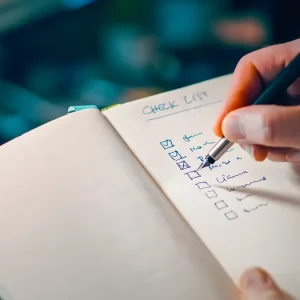
A practical starting checklist for the next 7 days
The fastest way to reduce risk is to tackle the most dangerous route in the house this week, not someday. Start with the bedroom-to-bathroom path, because that is where many nighttime falls happen. Then move to the shower or tub, the main stairway, and the front entry.
Begin by removing loose rugs and clearing cords from walkways. Check every step for visibility and every railing for stability. Turn on lights at the top and bottom of stairs. Make sure the toilet, shower, and bed can be used without a dangerous twist or deep bend. If a person already uses a cane or walker, try the home route with that device in mind, not without it.
If the house still feels uncertain after those changes, that is a sign to bring in an occupational therapist, a certified aging-in-place specialist, or a licensed contractor who understands accessibility. The point is not to win a design contest. It is to make daily life steady enough that staying home remains a safe choice.
Drafted with AI; not yet reviewed by a person.