Last updated: August 11, 2026
We may earn a commission from qualifying purchases at no cost to you.
Quick Answer: The best mattresses for seniors with back pain in this roundup start around a medium-firm feel, and the sweet spot is usually 5/10 to 7/10 on firmness. Need the short version? Pick a supportive hybrid if easier movement and stronger edges matter most, or choose a contouring foam model when pressure relief matters more.
- Best overall: Saatva Classic for balanced support and edge stability.
- Best for chronic back pain: Saatva RX for pressure relief with structure.
- Best for side sleepers: Helix Midnight Luxe for shoulder and hip cushioning.
- Best for heavier seniors: WinkBed for firmer lift and reinforced edges.
- Best for motion isolation: Tempur-Pedic TEMPUR-Adapt for deep contouring.
- Best breathable hybrid: Bear Elite Hybrid for cooler support.
- Best for pressure relief without deep sink: Nolah Evolution for plush comfort with lift.
Key Facts:
- Medium-firm is often a practical starting point, but comfort depends on body weight, sleep position, and mobility.
- Edge support matters more when sitting on the bed to stand up, dress, or reposition.
- Hybrids usually balance support and pressure relief better than very soft all-foam beds.
- Memory foam can reduce motion transfer, but it may be harder to move on.
- If your back pain is severe, persistent, or tied to a diagnosis, consult a clinician or physical therapist before buying.
A sore back changes the mattress question fast. Not “What’s softest?” Instead: which bed keeps the spine supported, makes getting in and out easier, and doesn’t buckle at the edge when you sit down? That’s the frame I’m using here; honestly, it’s the one that matters most for seniors with back pain. I look at sleep products through materials and comfort, with mobility and pain relief front and center.
On this page:
- Quick-pick comparison table
- How I picked these mattresses
- Best overall: Saatva Classic
- Best for chronic back pain: Saatva RX
- Best for side sleepers: Helix Midnight Luxe
- Best for heavier seniors: WinkBed
- Best for motion isolation: Tempur-Pedic TEMPUR-Adapt
- Best breathable hybrid: Bear Elite Hybrid
- Best pressure relief without deep sink: Nolah Evolution
- Buying guide: how seniors with back pain should choose
- FAQ
Quick-pick comparison table
| Product | Best for | Rating | Key spec | Where to buy |
|---|---|---|---|---|
| Saatva Classic | Best overall for balanced support and strong edges | 5/5 | Innerspring hybrid with multiple firmness options and reinforced perimeter support | Amazon |
| Saatva RX | Best for chronic back pain with a pressure-relieving feel | 5/5 | Hybrid design aimed at back and joint comfort | Amazon |
| Helix Midnight Luxe | Best for side sleepers who need more pressure relief | 4.5/5 | Hybrid with zoned support and cushioned top | Amazon |
| WinkBed | Best for heavier seniors or anyone who wants firmer lift | 4.5/5 | Reinforced hybrid with strong edge support | Amazon |
| Tempur-Pedic TEMPUR-Adapt | Best for motion isolation and contouring | 4.5/5 | Memory foam construction with deep contouring | Amazon |
| Bear Elite Hybrid | Best for adjustable-feeling support and breathable comfort | 4/5 | Hybrid with zoned support and multiple firmness options | Amazon |
| Nolah Evolution | Best for pressure relief without a stuck-in-the-bed feel | 4/5 | Hybrid with plush top and reinforced support layers | Amazon |
How I picked these mattresses
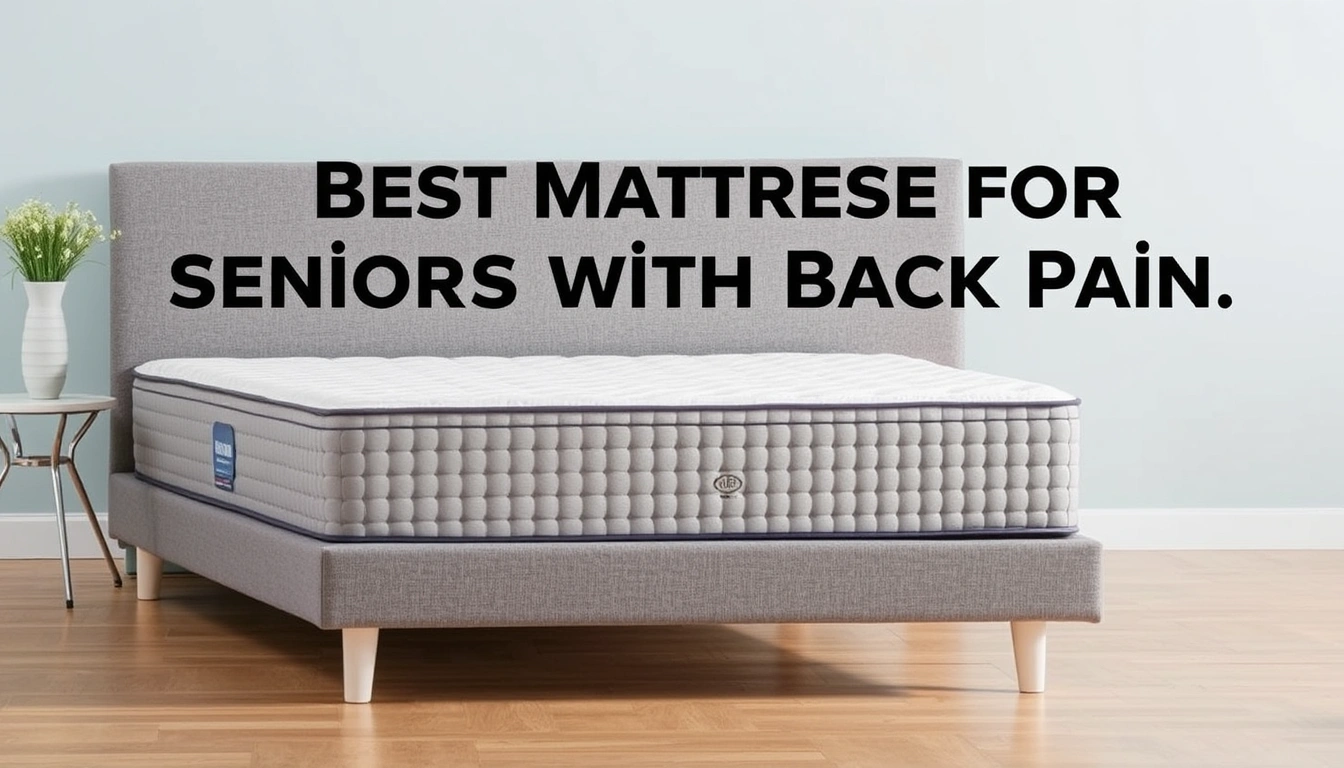
I did not pretend to sleep on these beds or measure them in a lab. Instead, I narrowed the list using public product specs, build details, and the comfort patterns that owners and reviewers keep reporting over time. For seniors with back pain, I weighed three things most heavily:
- Firmness that supports the lower back without feeling harsh
- Edge stability for easier sitting, standing, and repositioning
- Pressure relief so hips and shoulders do not take the full load
No mattress fits every body. That’s the catch. So I also looked for models that come in more than one firmness profile when possible. A 120-pound side sleeper and a 230-pound back sleeper will not want the same feel, even if both are trying to calm back pain.
For health guidance, I’d also point readers toward the National Institute on Aging for sleep and age-related mobility considerations, and the Cleveland Clinic’s back-pain guidance for general sleep-position advice. Good starting points. But if your back pain is severe, persistent, or tied to a diagnosis, talk with your clinician or physical therapist before buying.
Best overall: Saatva Classic
The Saatva Classic is my top all-around pick because it gives seniors a rare mix: clear support, usable edge strength, and enough comfort layering to keep the surface from feeling punishing.
Best for sleepers who want a traditional mattress feel with better structure than most all-foam beds. Simple.
Pros
- Strong perimeter support helps when sitting on the edge to get dressed or stand up.
- Multiple firmness choices make it easier to match different body weights and sleep positions.
- The feel is buoyant rather than sinky, which many back-pain sleepers prefer.
- The mattress is known for holding a more “bed-like” structure than softer foam models.
Cons
- If you love deep body-hugging contour, this may feel too responsive.
- The springier feel may not suit people who want very strong motion damping.
- It can feel tall and substantial, which is not ideal if your bed frame sits high already.
Key specs
- Construction: hybrid innerspring style
- Feel: supportive, responsive, more traditional than foam
- Firmness range: multiple options
Compare the current price on Amazon. It is also commonly sold through Saatva’s own site and other major bedding retailers.
Best for chronic back pain: Saatva RX
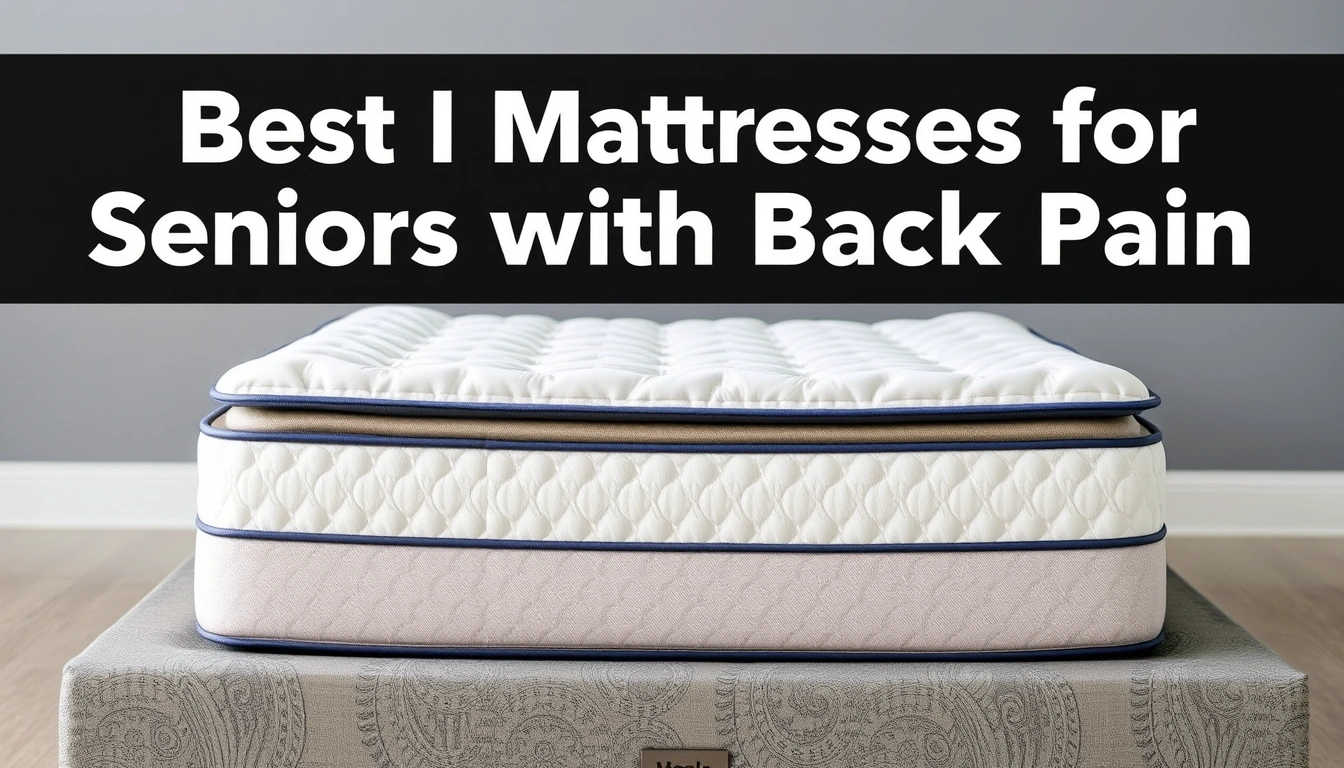
Saatva RX is the pick I’d point to first for a senior whose main complaint is persistent back discomfort and who wants targeted pressure relief without collapsing support.
Best for people who want a more medical-feeling comfort profile than a standard luxury hybrid. Not flashy.
Pros
- Designed with back comfort in mind rather than general plushness.
- Offers a more structured feel than many soft pillow-top beds.
- Better choice for someone who wants pressure relief but still needs a stable base.
- Likely to appeal to sleepers who do not want a mattress that fights back when they change position.
Cons
- It is more specialized, so it may be overkill if your pain is mild.
- People who want a very firm, flat surface may find it too cushioned.
- It may not be the right fit for budget shoppers or for anyone who wants a simple, universal feel.
Key specs
- Construction: hybrid
- Focus: pressure relief plus support
- Best fit: back- and joint-conscious sleepers
Compare the current price on Amazon. You can also find it through Saatva and select bedding retailers.
Best for side sleepers: Helix Midnight Luxe
Helix Midnight Luxe makes sense if you sleep on your side, have back pain, and need a mattress that softens the shoulder and hip without letting the midsection sag.
Best for seniors who want a more balanced medium feel. Pretty straightforward.
Pros
- Cushioning helps reduce shoulder and hip pressure for side sleepers.
- Zoned support can help maintain better spinal alignment than a simple soft foam bed.
- More contour than an ultra-firm innerspring, which can matter if your back pain worsens on a hard surface.
- Good middle ground for couples with different comfort preferences.
Cons
- Side-sleeper comfort comes with some sink, which not every back-pain sufferer wants.
- If you sit on the edge often, it may not feel as planted as the strongest edge-support models.
- People who sleep hot may want to verify the cover and cooling materials suit them.
Key specs
- Construction: hybrid
- Feel: medium-plush
- Best for: side sleepers and mixed-position sleepers
Compare the current price on Amazon. It is also sold through Helix and sometimes through larger online mattress marketplaces.
Best for heavier seniors: WinkBed
Bigger bodies usually need more lift, so WinkBed earns a place here, and soft mattresses can worsen back pain by letting the spine drift out of line. That math stops working fast.
Best for seniors who want firmer support and a mattress that feels stable when standing up from the side.
Pros
- Reinforced design generally gives a firmer, more lifted sleep surface.
- Strong edge support makes the usable sleep area feel larger.
- Good choice if a saggy mattress has been part of the problem.
- More structure can help larger sleepers maintain alignment.
Cons
- May feel too firm for lighter seniors or for people who sleep mostly on their side.
- Less plush than some readers expect from a “luxury” mattress.
- If you like a slow, cradling foam feel, this is probably not your bed.
Key specs
- Construction: hybrid
- Feel: supportive, firmer-leaning
- Best for: heavier sleepers and back sleepers
Compare the current price on Amazon. You can also buy WinkBed through the brand directly.
Best for motion isolation: Tempur-Pedic TEMPUR-Adapt
If back pain comes with a partner who moves around at night, the TEMPUR-Adapt is the mattress I’d look at for strong motion isolation and deep contouring.
Best for sleepers who want a quieter, more enveloping foam feel. Very hush-hush, in a good way.
Pros
- Excellent at dampening movement, which can matter if pain already fragments your sleep.
- Deep contouring can reduce direct pressure on sore spots.
- No spring bounce, which some sensitive sleepers find calming.
- Often works well for people who like the classic memory-foam sensation.
Cons
- Memory foam can feel harder to move on than hybrids.
- Some seniors dislike the “stuck” sensation when changing position.
- Edge support is usually not the main strength of foam-forward beds, so sitting near the side may feel less secure than on a hybrid; if that side-sitting stability is important, consult a clinician or physical therapist about whether a firmer hybrid would suit your needs.
Key specs
- Construction: memory foam
- Feel: contouring, slow response
- Best for: motion isolation and pressure relief
Compare the current price on Amazon. It is also widely available through Tempur-Pedic and major mattress retailers.
Best breathable hybrid: Bear Elite Hybrid
Bear Elite Hybrid is a smart pick if you want a supportive mattress that does not sleep like a slab, and you care about a cooler surface.
Best for seniors who want a medium-to-firm hybrid with a more modern support feel. Clean and practical.
Pros
- Zoned support helps keep the midsection from sinking too far.
- Hybrid construction usually gives a steadier feel than all-foam models.
- Better for sleepers who want some bounce when turning over.
- Breathable materials may help if temperature is part of your sleep problem.
Cons
- It is more technical in feel, which some shoppers find hard to judge from spec sheets alone.
- If you want a classic plush top, this may feel too performance-oriented.
- The right firmness choice matters a lot; the wrong version can miss the mark.
Key specs
- Construction: hybrid
- Feel: medium to firm, depending on version
- Best for: temperature-conscious sleepers who still need support
Compare the current price on Amazon. You can also find it through Bear’s own site.
Best pressure relief without deep sink: Nolah Evolution
Nolah Evolution stands out for seniors who want cushioning at the surface but still need enough structure underneath to keep the back from arching or sagging.
Best for people who find traditional firm beds too blunt. Fair trade-off, really.
Pros
- Softer top layers can make side sleeping and joint pressure easier to tolerate.
- Hybrid base helps prevent the mattress from feeling floppy.
- Good compromise if you want comfort but still care about support.
- Often appeals to sleepers who dislike the slow response of memory foam.
Cons
- If your back pain improves only on a very firm mattress, this may be too forgiving.
- Plush comfort layers can wear differently depending on body weight and sleeping habits.
- Edge feel may be good, but not necessarily the strongest in the whole roundup.
Key specs
- Construction: hybrid
- Feel: plush-to-supportive
- Best for: pressure relief with some lift
Compare the current price on Amazon. It is also available through Nolah and select retailers.
Buying guide: how seniors with back pain should choose
The biggest mistake I see is chasing “firm” as if firm automatically means supportive. It does not. A mattress can be firm and still let the hips sink unevenly. For back pain, the real goal is neutral spinal alignment with enough surface comfort that your muscles can relax.
Here’s how I would sort the choice:
1) Start with your sleep position
- Back sleeper: look first at medium-firm to firm hybrids with strong lumbar support.
- Side sleeper: you usually need a bit more cushioning at the shoulder and hip.
- Mixed sleeper: choose a mattress with enough responsiveness to change positions easily.
2) Think about edge stability, not just center comfort
For seniors, edge support matters more than many reviews admit. You may sit on the side to stand up, put on socks, or shift at night. A bed that feels fine in the middle but caves at the perimeter can be a bad fit.
3) Avoid “too soft to help, too firm to sleep on”
That middle trap is common. If a mattress is overly soft, the lower back may sag. If it is too hard, sore joints can flare up. The best choices in this roundup try to balance both without leaning too far in either direction.
4) Match the mattress to your body weight and mobility
- Lighter sleepers often do better with a slightly softer surface.
- Heavier sleepers usually need stronger support and more durable edge structure.
- If you have trouble getting out of bed, prioritize a mattress that feels stable when you sit at the edge.
5) Don’t ignore your base or frame
A good mattress on a weak foundation can still feel bad. If your frame sags or the slats are too far apart, back pain may not improve much no matter which mattress you buy.
Common mistakes to avoid
- Buying the softest pillow-top because it feels nice for one minute in a showroom.
- Choosing foam because it sounds “pressure-relieving” without checking whether the edge support is adequate.
- Ignoring height; an overly tall bed can make standing up harder.
- Assuming one firmness level suits every senior.
For sleep-position and back-pain context, the Cleveland Clinic has useful general guidance on sleep posture and back discomfort, and the National Institute on Aging is a solid resource for age-related sleep issues.
FAQ
What firmness is usually best for seniors with back pain?
For many seniors, medium-firm is often a sensible starting point, but it is not universal. It can give enough support for the spine while still cushioning the hips and shoulders. If you sleep on your side, you may need a little more softness; if you sleep on your back or have a heavier build, you may need more firmness.
Are memory foam mattresses good for back pain?
They can be, especially if you want pressure relief and motion isolation. The trade-off is easier movement and edge stability. If getting out of bed is hard, I’d usually favor a supportive hybrid over a very soft foam bed.
Is a firm mattress always better for back pain?
No. A mattress that is too firm can increase pressure on hips and shoulders and make you tense up. The better question is whether the mattress keeps your spine aligned while still letting sensitive areas relax.